

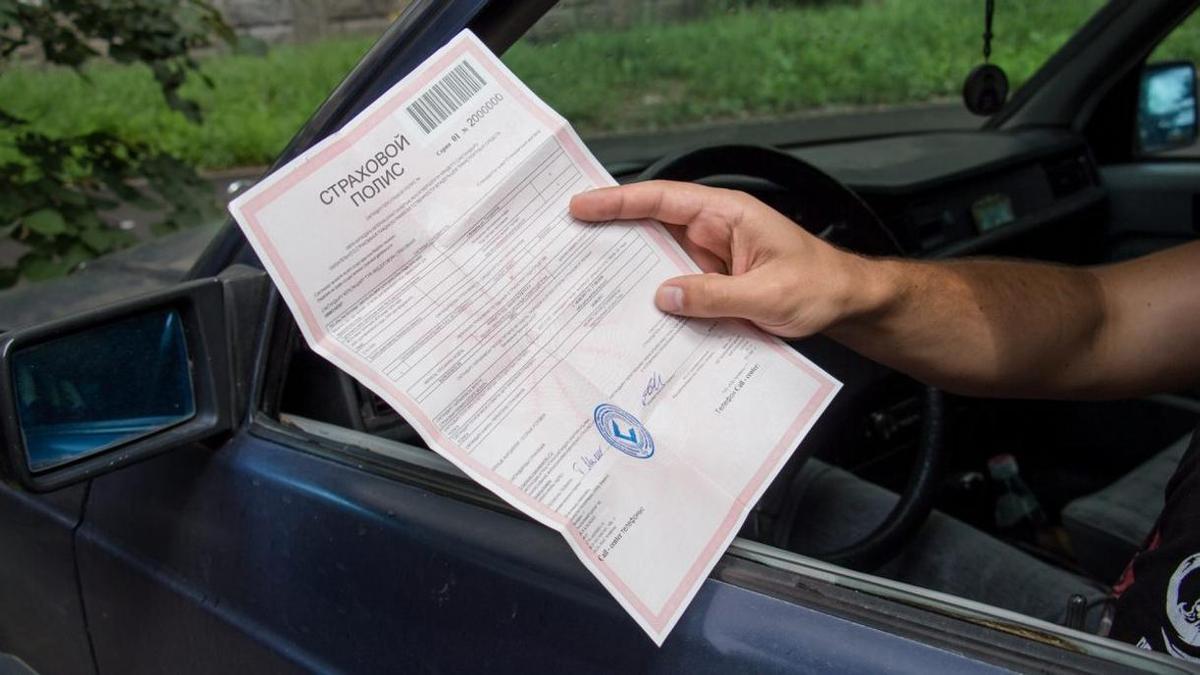
In the first seven months of 2026, Kazakh insurance companies faced 117 regulatory measures — twice as many as in the same period last year. Analysts attribute the surge to systemic issues in the industry, reports infohub.kz.
When a client pays an insurance company, they expect timely payouts in critical situations. However, these expectations are not always met. According to Finprom, over seven months of 2026, the Agency for Regulation and Development of the Financial Market of Kazakhstan applied 117 measures and sanctions to insurers — twice as many as a year earlier.
The most common violation was delayed payouts. A significant portion of violations involved client payments: companies delayed compensation, paid it in full, or violated the claims settlement procedure. Some violations were repeated. Analysts believe this may indicate not isolated employee errors but systemic problems within insurance companies. Administrative liability for untimely insurance payouts: for legal entities, the fine is 100 monthly calculation indices (MCI), or 432,500 tenge in 2026.
In addition to payout issues, violations of information and cybersecurity requirements were found, including in risk assessment. Some cases involved mandatory auto insurance: insurers violated the direct loss settlement procedure and did not always ensure uninterrupted online contract conclusion. There were also violations in data transfer to the insurance database. In one case, the fine was 300 MCI, or 1,297,500 tenge.
Furthermore, the regulator found violations in handling pension annuities, reporting, and decisions of the insurance ombudsman, as well as errors in determining the amount of damage. Of the 117 violations, 87 cases ended in fines. In 21 cases, written orders were issued, and in five, a recommendatory supervisory measure was applied. For decisions where the fine amount is specified directly, the total amount of penalties was about 32.8 million tenge — roughly twice the figure for the same period last year.
However, analysts note that for ordinary citizens, a fine against an insurance company does not solve anything. The money goes to the state, not the client. If an insurance company delays a payment, it is still obliged to fulfill its obligation to the policyholder. Meanwhile, the client may already incur additional costs due to the delay, such as paying for repairs or finding money to cover damages.
Earlier, insurers were required to consider client complaints about their work. Also, we recently reported on the problem of "helpers" who offer intermediary services in auto insurance.