

Kazakh Foreign Minister Yermek Kosherbayev and US Secretary of State Marco Rubio discussed the situation around the Caspian Pipeline Consortium (CPC) in a phone call, reports infohub.kz.
According to the Kazakh Foreign Ministry’s press service, one of the key topics was the CPC situation. The sides also discussed bilateral issues under the expanded strategic partnership and preparations for Kazakh President Kassym-Jomart Tokayev’s upcoming visit to the United States to attend the G20 summit. The Foreign Ministry did not disclose further details of the call.
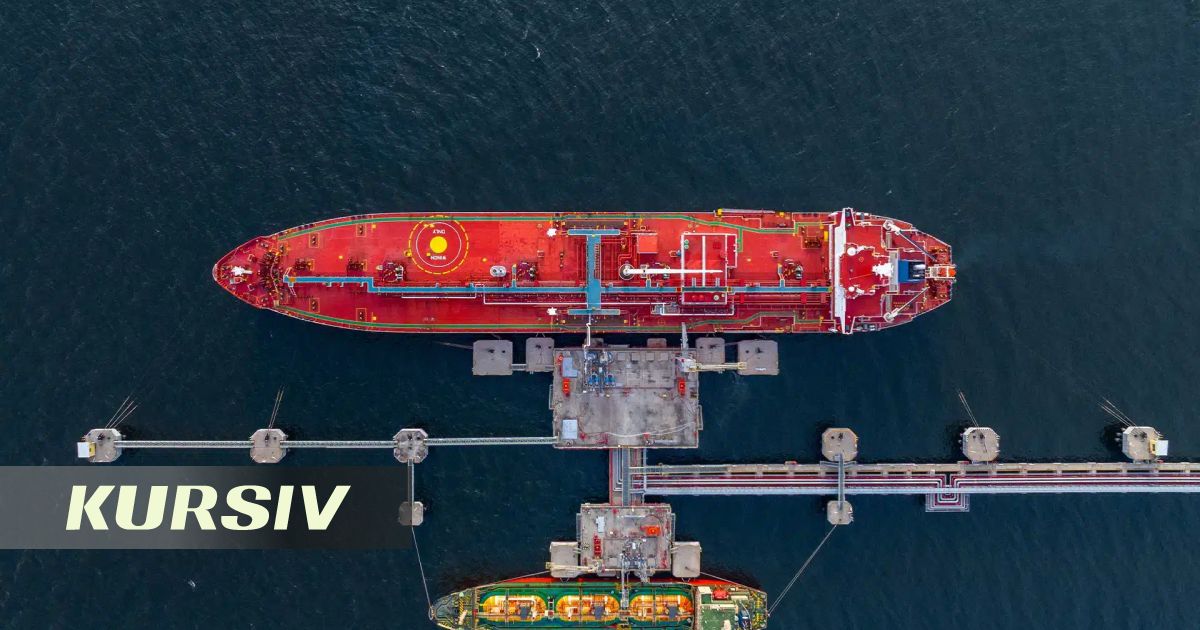
The CPC remains the main export route for Kazakh oil, handling about 80% of the country’s oil exports. Major US companies, including Chevron and ExxonMobil, are involved in oil production transported via the pipeline. Chevron is the largest foreign investor in the Tengiz project and owns 50% of Tengizchevroil, while ExxonMobil is also a shareholder. Both companies also participate in developing the Kashagan field. Therefore, any disruptions to CPC operations directly affect oil supplies, production volumes, and revenues of US investors.
The CPC has repeatedly come under attack. In February 2025, seven drones struck the largest oil pumping station, Kropotkinskaya. After that, oil pumping through the system fell by 30–40%. In the autumn, one of the marine terminal’s berthing devices was damaged. A new wave of attacks occurred in July 2026, damaging tankers Nordic Zenith, ASIA, NISSOS IOS, and NELSA, which were carrying Kazakh oil. As a result, CPC temporarily suspended oil intake and loading.
Earlier, National Bank Chairman Timur Suleimenov said the regulator does not expect sharp exchange rate fluctuations of the tenge due to the temporary halt of oil exports via CPC. However, the National Bank is ready to take measures if non-market exchange rate fluctuations occur. Meanwhile, Kazakhstan’s Energy Ministry hopes for a quick resumption of Kazakh oil intake.