

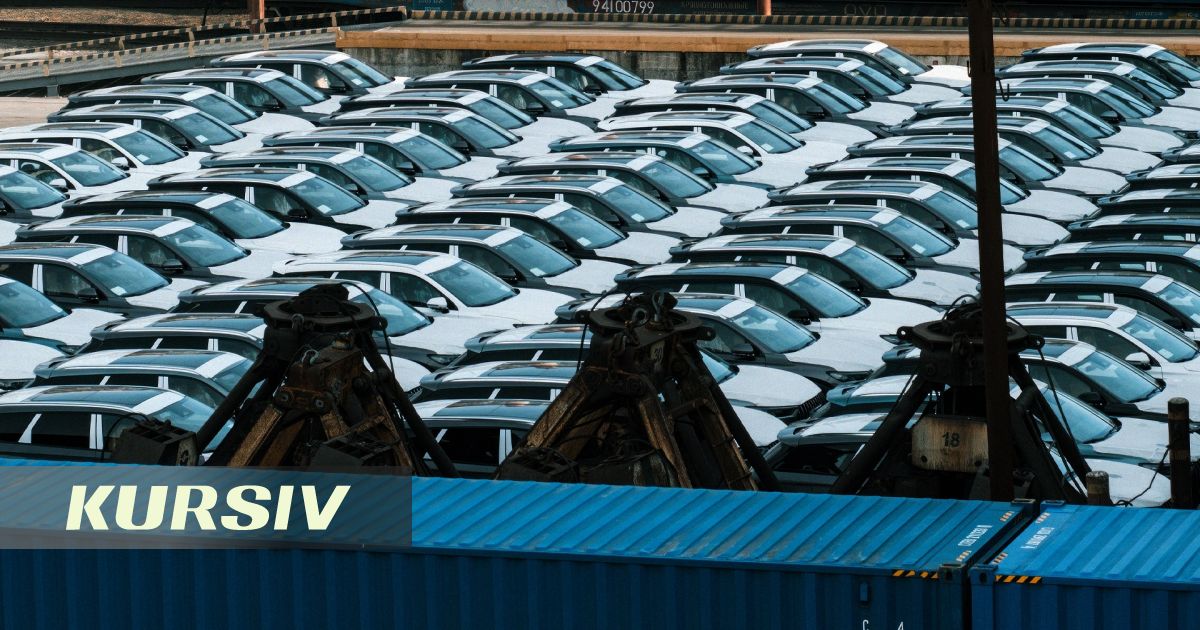
Starting September 1, Kazakhstan plans to tighten control over car imports. Authorities intend to block schemes used by dishonest importers without making life harder for those who honestly buy cars abroad for personal use, reports infohub.kz citing Informburo.
Experts emphasize that unofficial imports should not be confused with illegal ones. A car can be purchased abroad independently, customs duties and recycling fees paid, certification obtained, and the vehicle registered in Kazakhstan. This method is completely legal. "Importing a car outside the official dealer network is not in itself a violation of the law. What matters is compliance with customs clearance, certification, and registration requirements," note lawyers from Autoprice. According to them, violations occur when false information is provided during processing or when attempts are made to save on mandatory payments.
According to Informburo, dishonest sellers most often: understate the car's value to reduce customs duties; provide incorrect technical specifications; use questionable compliance documents; and register commercial imports as personal imports. Sometimes a batch of cars is registered under multiple individuals so that each car is formally considered imported "for personal use," even though it is actually intended for resale.
Experts also note that vehicle information is currently stored in various government databases. As a result, violations can go unnoticed for a long time, and the car may be resold several times. Ultimately, a good-faith buyer may purchase an already registered vehicle, unaware that violations occurred during its import.
Alternative imports are popular due to lower prices in some markets. For example, Chinese manufacturers regularly hold promotions, and intermediaries resell cars in Kazakhstan at a benefit to buyers. However, Arsen Shakurov, president of the "Common Road" Road Safety Association, warns that even a legally imported car may lack warranty service. In case of a major malfunction, repairs may sometimes need to be done in the country of purchase, and shipping the car could cost more than the repair itself. Similar issues can arise during recall campaigns.
Anar Makasheva, president of the Kazakhstan Automobile Union, believes that tighter controls should target only "gray" schemes, not citizens who import cars for personal use. According to her, the new measures should not lead to higher vehicle prices. Additionally, the KAU proposes creating a unified digital service that would allow buyers to check a car's history, import details, payment of mandatory fees, and any restrictions before purchase. Earlier, Prime Minister Olzhas Bektenov ordered the preparation of a set of measures against "gray" car imports by September 1.