

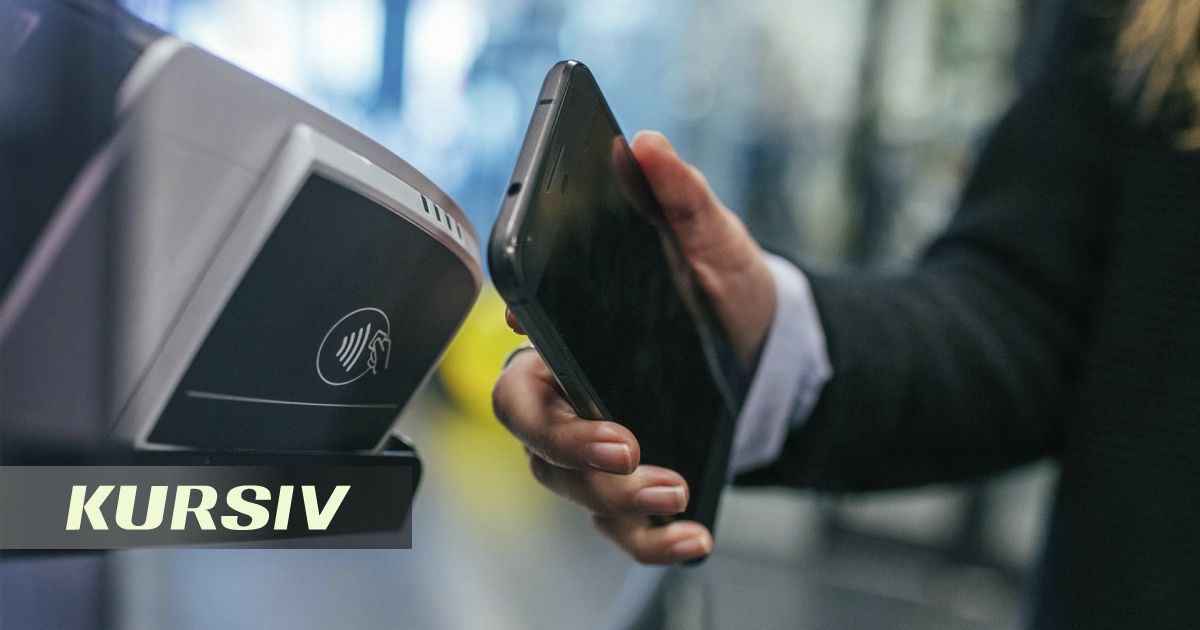
The share of cash in Kazakhstan's total consumer payments stood at 12%, putting the country nearly on par with the world's leading economies and ahead of several emerging markets, according to the annual national study "Fintech in Kazakhstan 2026," reports infohub.kz.
Kazakhstan sits in close proximity to the United States, where paper money accounts for 11% of all consumer payments, and the United Kingdom, with a figure of 10%.
Norway recorded the lowest use of cash, at just 4%. China and Sweden round out the top three, with banknotes and coins accounting for 5% each. In South Korea, the figure stands at 7%. At the same time, Kazakhstan is noticeably ahead of Brazil, where cash payments still account for 17% of transactions.
Internet and mobile banking retain their lead in monetary terms, handling about 80% of total transaction volume — the key channel for large payments.
Meanwhile, QR payments have established themselves as the main tool for everyday retail purchases with small ticket sizes. The share of QR transactions by number nearly doubled, reaching 10% of total operations. In the first five months of 2026, QR payment turnover reached $17 billion (8 trillion tenge), outpacing POS terminal figures ($16 billion / 7.5 trillion tenge) for the second year in a row.
The "Fintech in Kazakhstan 2026" study was prepared by RISE Research together with bcc hub, Fintech Center and Tarlan, with support from the National Bank of the Republic of Kazakhstan. In compiling the analysis, experts relied on National Bank statistics and data from the Worldpay Global Payments Report 2025.
The report's authors note that the figures cited are approximate due to differences in methodology: international statistics take into account POS terminal processing data and surveys, whereas the Kazakh figure reflects the share of cashless transactions in the total value of card operations.
Earlier, Kursiv wrote that the volume of cashless payments in Kazakhstan is almost 9 times greater than cash transactions.