

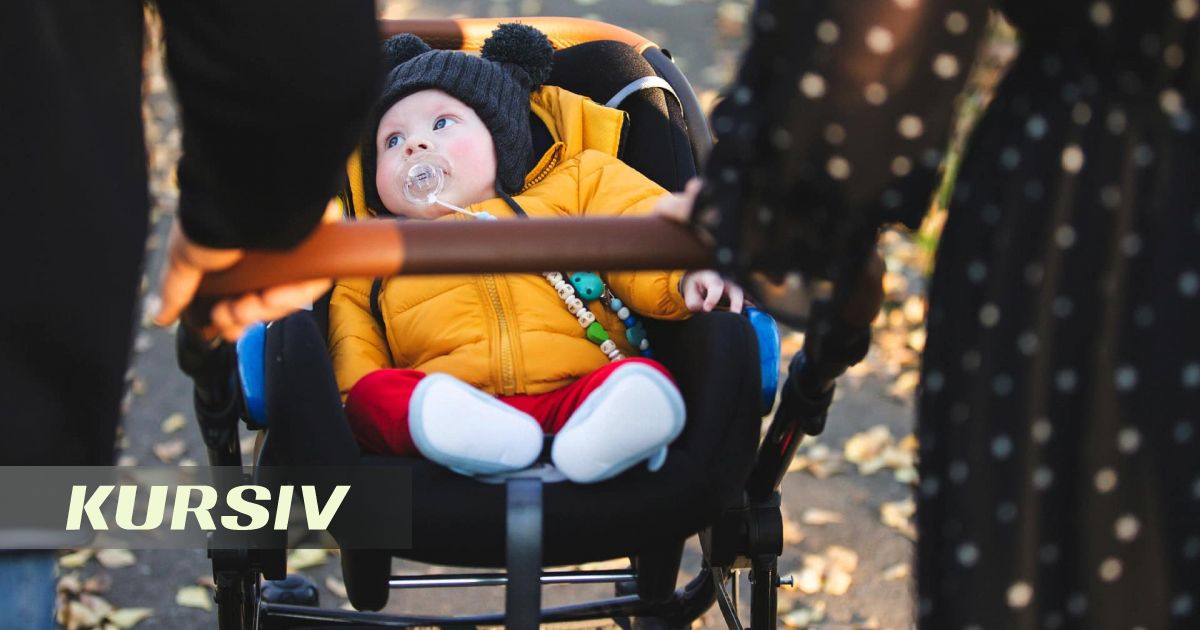
Kazakhstan has built one of the largest and most extensive systems of support for families with children in the region. In 2026, about 27% of all republican budget expenditures were allocated to social protection of the population — a figure comparable to the level of leading countries of the Organisation for Economic Co-operation and Development, reports infohub.kz.
Since 2016, 40.1 trillion tenge has been allocated to social payments. Payments from the State Social Insurance Fund (SSIF) have grown most dynamically: over this period they increased almost 6.5-fold, reflecting the expansion of insurance protection for working citizens.
The first financial support from the state arrives immediately at the birth of a child, and absolutely every family in Kazakhstan receives this payment regardless of income level. For the first, second and third child, a one-time payment of 164,350 tenge is made, and starting from the fourth child the amount rises to 272,475 tenge.
For comparison: in Kyrgyzstan the one-time payment is about 21,500 tenge, in Uzbekistan — around 29,700 tenge, while in Tajikistan the amount of assistance decreases with each subsequent child. Even against the backdrop of many European countries and OECD states, where one-time benefits either do not exist at all or are strictly tied to family income, the Kazakhstani payment looks maximally accessible and guaranteed.
After the one-time assistance, families move on to regular monthly payments. Non-working mothers receive a childcare benefit until the child is one and a half years old from the budget — from 24,912 tenge for the first child. Working women receive payments from the SSIF based on their earnings — on average about 87,000 tenge per month. Moreover, during maternity leave the state subsidises mandatory pension contributions on the mother's behalf, preserving the continuity of her savings, something that does not exist in most neighbouring countries.
Particular emphasis in the Kazakhstani system is placed on large families and parents of children with disabilities. From the fourth child, a family begins to receive a separate benefit without an income check: 69,330 tenge for four children and up to 121,360 tenge for seven children, with a fixed supplement for each subsequent child. Holders of the "Kümis alqa" and "Altyn alqa" awards receive lifelong monthly payments. For families raising a child with a disability, a monthly benefit of 81,870 tenge is provided, directly linked to the subsistence minimum.
From 1 January 2027, Kazakhstan will change the procedure for paying 10 benefits. The government has approved new need criteria, according to which wealthy families will no longer be able to receive financial support from the state.