

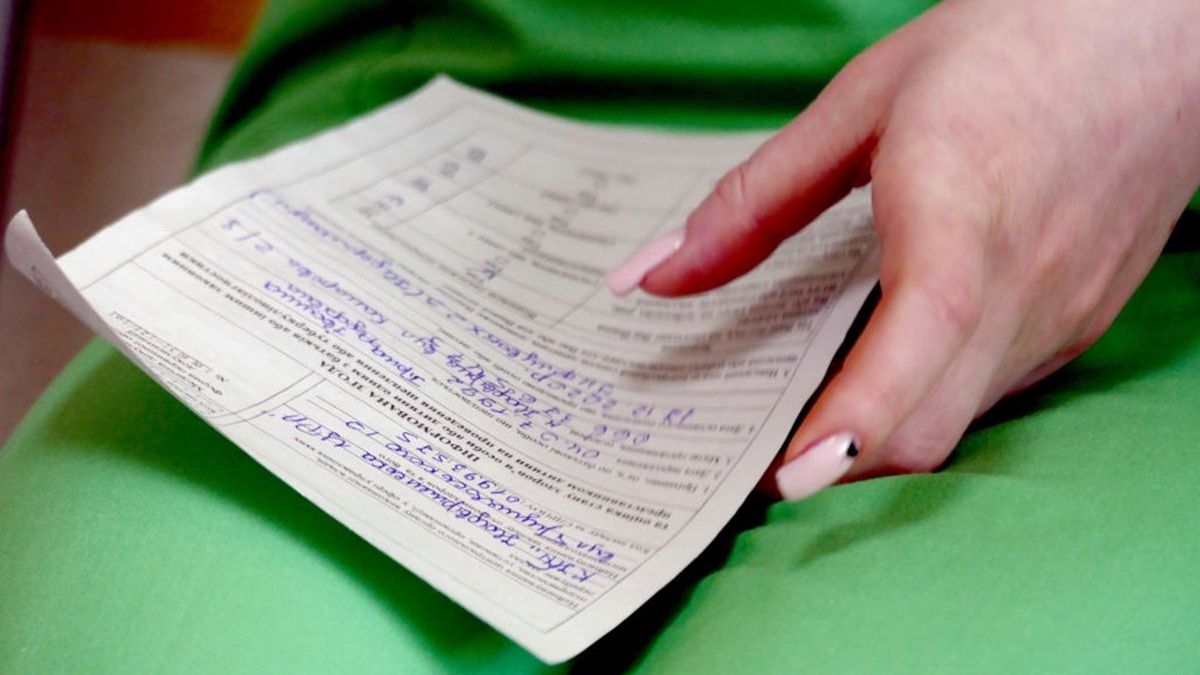
Kazakhstan's Constitutional Court has examined the issue of seizing documents containing legally protected information and clarified who should determine whether a investigative judge's authorization is required, infohub.kz reports.
The appeal was prompted by a review of the constitutionality of a provision in the Criminal Procedure Code regulating the seizure of documents containing state secrets and other legally protected secrets. The basis was a criminal case in which the applicant was found guilty of using a knowingly forged document.
The applicant disagreed with the court's conclusion that a temporary disability certificate does not contain information constituting a legally protected secret. In her view, the uncertainty of the concept of "other legally protected secret" in the contested provision does not allow for an unambiguous determination of whether an investigative judge's authorization is required when seizing such documents.
The Constitutional Court recalled that the Constitution guarantees the inviolability of private life, personal and family secrets, and the protection of personal data. Legislation provides for various types of legally protected secrets, including medical confidentiality.
In particular, the seizure of documents containing state secrets or other legally protected secrets is carried out with the authorization of an investigative judge. Information obtained in violation of the requirements of criminal procedure law cannot be used as evidence.
The question of whether a specific document contains a legally protected secret and whether an investigative judge's authorization was required for its seizure is related to the assessment of the circumstances of a particular criminal case and falls within the competence of the court hearing the case, the court concluded.