

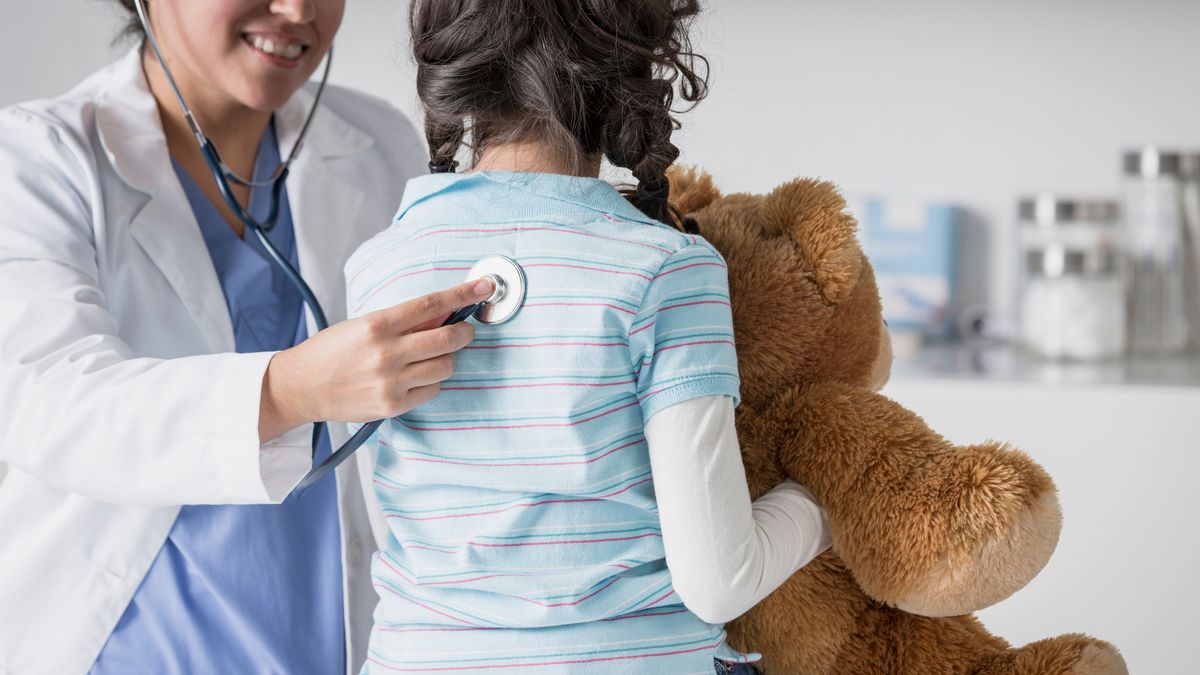
Kazakhstan is set to change its approach to school health screenings, with results to be automatically recorded in medical systems, according to infohub.kz.
More than 400 specialists discussed the new model for school medicine. It involves conducting preventive check-ups using digital diagnostic equipment and recording results in digital medical systems. A key element of the new model is the digitalization of preventive screenings for schoolchildren.
"It is planned that modern digital diagnostic devices will be used during examinations, and results will be automatically recorded in information systems. This will allow for a more complete picture of a child's health and tracking changes over time. If certain risk factors or changes in health indicators are identified, information can be promptly transmitted to primary health care specialists for further monitoring, additional examination, or medical assistance," the ministry said.
Thus, school medicine is gradually transitioning from one-time preventive check-ups to systematic digital health monitoring for children.
"The new model aims to strengthen the preventive component. The goal is to identify potential health issues and risk factors at early stages, when timely preventive measures can be most effective. School medical workers become an important part of this system. Their work includes not only conducting medical examinations but also disease prevention, sanitary education, fostering a healthy lifestyle culture among children, and interacting with primary health care organizations," the Ministry of Health added.
During meetings with specialists, the project "Salamatty Mektep" was also presented, aimed at developing sustainable healthy lifestyle skills and a preventive culture among schoolchildren.
Special attention is paid to staffing in school medicine, developing digital infrastructure, and preparing medical organizations for the implementation of new approaches.
The new model is designed to make school medicine more modern, digital, and preventive, allowing not only to assess a child's health at a specific moment but also to track it over time.