

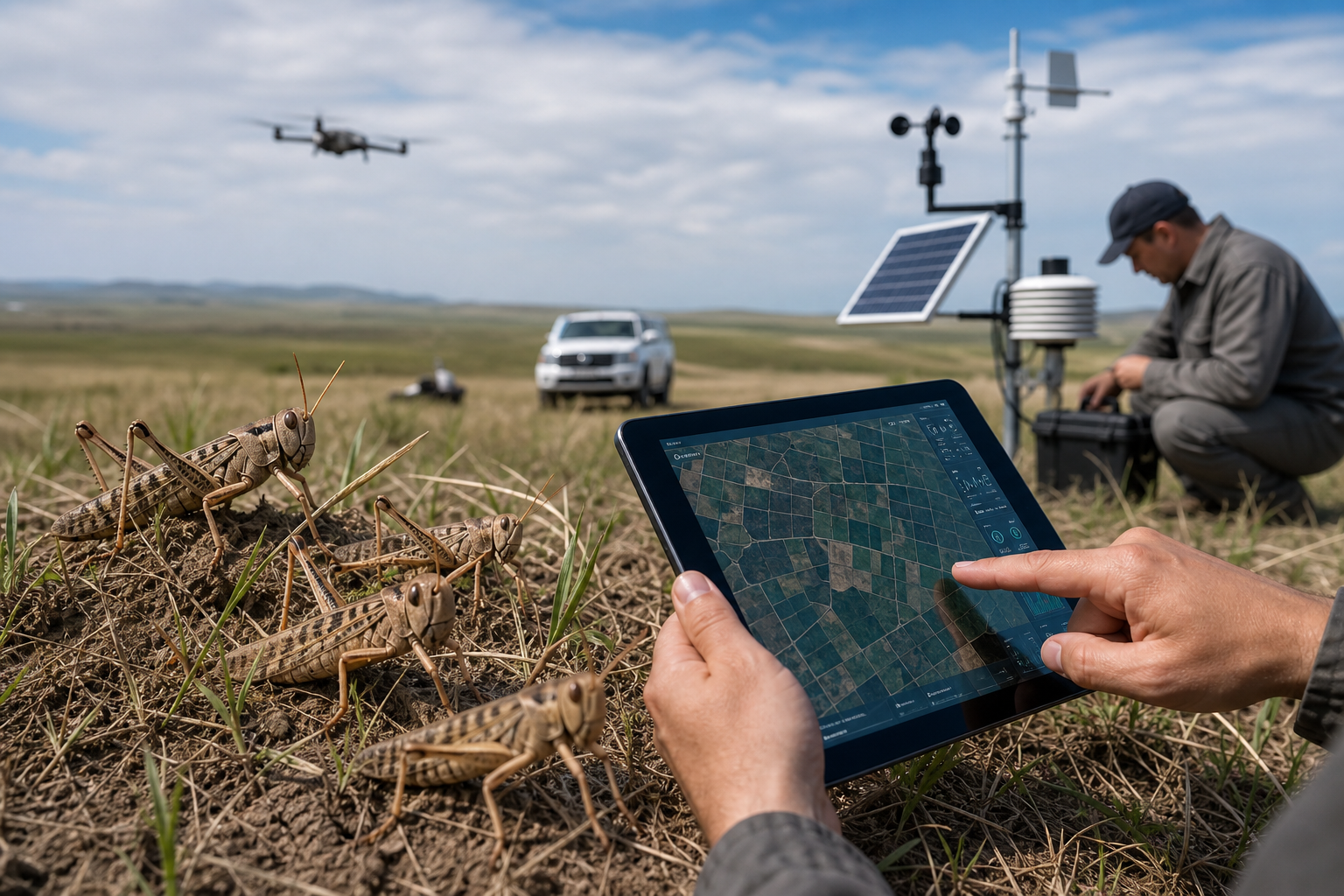
Kazakhstan's Ministry of Agriculture, together with the UN Food and Agriculture Organization (FAO), has launched three strategic projects to modernize the country's agro-industrial complex. The initiatives include using artificial intelligence for locust monitoring, developing a soil assessment system, and boosting domestic plant breeding – including the revival of the famous Almaty Aport apple variety, reports infohub.kz.
The official launch took place in Astana during an introductory seminar held under the partnership program between the Ministry of Agriculture of Kazakhstan and FAO.
"The partnership program is designed for ten years and is a long-term cooperation mechanism between the government of Kazakhstan and FAO. Its main goal is to promote sustainable agricultural development, strengthen food security, introduce modern technologies, and leverage advanced international experience," the ministry explained.
During the event, Vice Minister of Agriculture Yermek Kenzhekhanuly met with Raimund Jehle, Deputy Regional Representative for Europe and Central Asia at FAO. They discussed the implementation of the current cooperation program, prospects for further collaboration, introduction of modern technologies in agriculture, and development of scientific cooperation.
According to Kenzhekhanuly, the preparation of key documents for the new initiatives is in the final stage. "Through the joint efforts of our expert teams, the preparation of key documents has reached the final stage. It is fundamentally important that each project meets international standards and national priorities for the development of the country's agro-industrial complex. I am convinced that the launch of these projects will provide a significant impetus for the technological modernization of domestic agriculture," the vice minister said.
The first project involves creating a national system for monitoring, assessment, and verification of soil organic carbon. This system is intended to serve as a scientific basis for more efficient land management, improved soil fertility, and the development of a national carbon market.
The second focus is the digitalization of pest control. Plans call for improving the system for monitoring and forecasting locust outbreaks using artificial intelligence and unmanned aerial vehicles. This will enable faster detection of pest foci, more accurate forecasts, and quicker decision-making.
The third project is the implementation of the national initiative 'Kazakhstan Varieties and Seeds,' aimed at developing domestic breeding and seed production, preserving plant genetic resources, and promoting Kazakh crop varieties.
"Particular attention under this initiative will be given to reviving and popularizing the legendary Almaty Aport apple variety, which is considered one of the symbols of Kazakh horticulture," the ministry emphasized.
Over two days, representatives from the Ministry of Agriculture, FAO, UN agencies, research institutes, industry associations, and the private sector will review the technical parameters of the projects, approve annual work plans, and define interagency coordination mechanisms. Seminar participants will also discuss the introduction of innovative technologies, development of climate-resilient agriculture, digitalization of the agro-industrial complex, conservation of plant genetic resources, improvement of natural resource monitoring, and enhancement of agricultural risk management.