

Kazakhstan's Supreme Audit Chamber has presented the results of an audit of the effectiveness of the use of national resources allocated to developing the gas industry and identified financial violations totaling 24.1 billion tenge, the website infohub.kz reports.
The chamber's meeting was chaired by Alikhan Smailov. The audit covered the industry's key areas: supplying the domestic market with commercial gas, developing the resource base, implementing investment projects, gasifying the regions and the state of gas transmission infrastructure.
The auditors noted that Kazakhstan has a substantial resource base: total gas reserves are estimated at 3.8 trillion cubic meters, while gross production in 2022–2025 amounted to 239.5 billion cubic meters. At the same time, output of commercial gas for the domestic market is growing more slowly and is failing to keep pace with the rising needs of citizens and the economy.
"At the same time, the domestic market remains dependent on a limited circle of subsoil users, and the quality of the gas supplied does not always meet the required standards. In particular, substandard commercial gas accelerates wear on compressor equipment and forces the National Operator to offer discounts when exporting it abroad," the auditors' report says.
In the auditors' view, the industry's strategic planning system does not ensure the necessary consistency between growth in domestic consumption, development of the resource base and the commissioning of new processing capacity.
"The policy documents lack indicators and measures to encourage geological exploration, develop underground storage, digitally transform the industry and manage risks. In addition, the National Operator's Strategy also lacks goals for addressing systemic problems, including the absence of financial support for gasifying the northern regions, the lack of effective mechanisms for managing the resource base and the unpreparedness of the IT infrastructure," the report notes.
The audit identified financial violations totaling 24.1 billion tenge, as well as inefficient planning and use of budget funds amounting to 18.2 billion tenge. During the review, 59.4 million tenge was returned to the budget, and a further 20.2 billion tenge was restored through accounting adjustments and completed work.
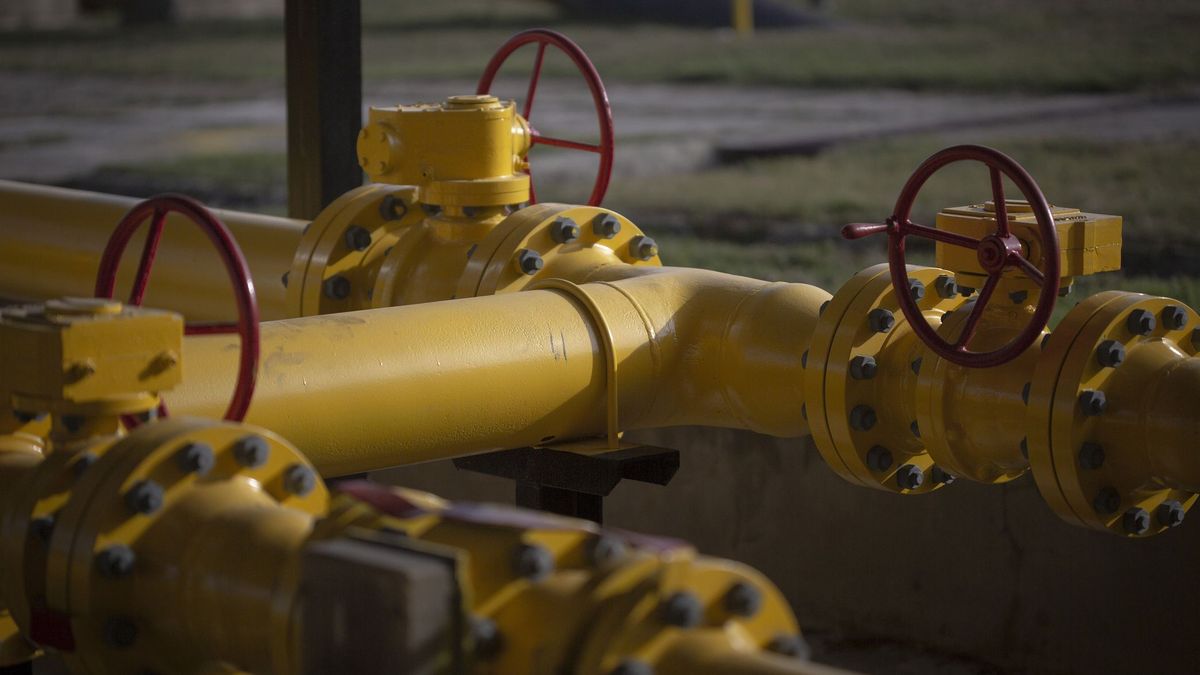
It was also established that National Operator enterprises operate more than 20,000 km of trunk gas pipelines and around 77,000 km of gas distribution networks. However, much of the infrastructure was built long ago and has been in service beyond its standard lifespan, while modernization and repairs are proceeding at an insufficient pace.
The auditors drew attention to the need to further address regional imbalances and to tighten control over the timely handover of completed facilities to operating organizations. At the same time, by the end of 2025 the level of gasification of the population had reached 64.2%: 13.1 million people have access to natural gas, and the number of gasified settlements stood at 2,240.
The Supreme Audit Chamber has sent specific instructions to all audited entities to eliminate the identified violations. It noted that this work will remain under supervision until fully completed. Recommendations have also been developed aimed at improving the gas industry's management system, strengthening the resource base and modernizing infrastructure.