

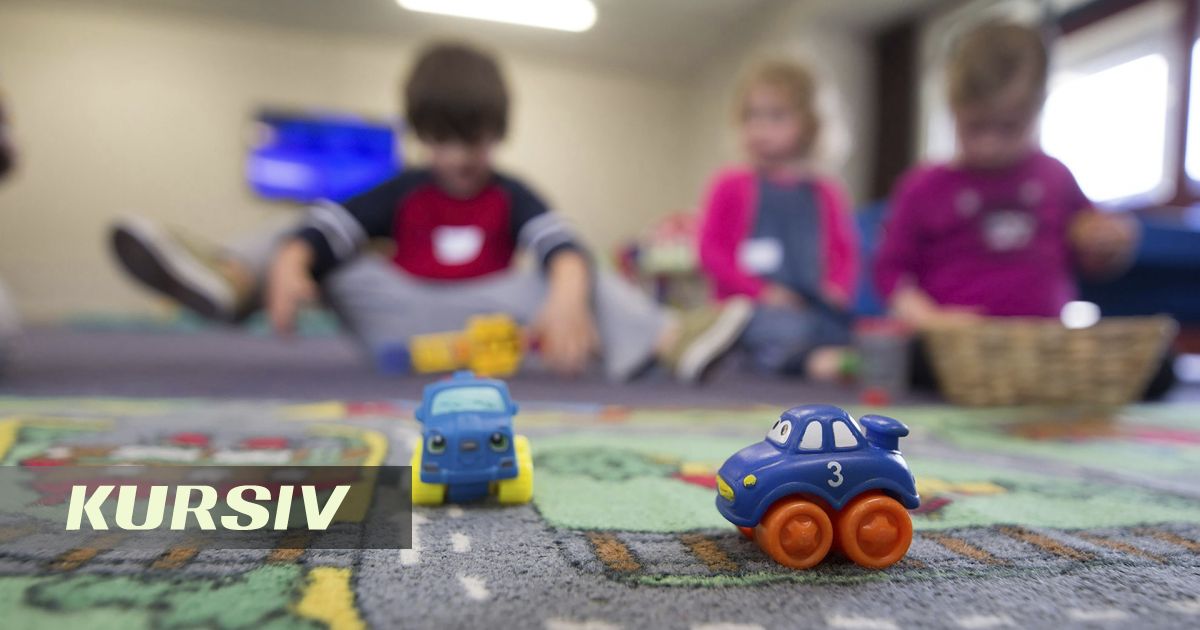
Kazakhstan's kindergarten waiting list has shrunk nearly sevenfold during a pilot voucher funding program, falling from 160,000 children to about 23,000, the government's press service said, according to infohub.kz.
The voucher mechanism is already operating in 20 cities and 23 districts across the country. Under the scheme, parents can choose a kindergarten themselves, while state funds are allocated to a specific child.
Over the past three years, Kazakhstan has created 232,000 places in preschool organizations. Today, more than 12,000 kindergartens operate in the country, attended by over 1 million children. Another 68,000 places are to be opened by the end of 2027.
At the same time, the authorities continue to reform the school education system. Over five years, 1,120 schools with more than 1 million places have been built. Of these, 217 are Keleşek Mektepteri schools designed for 460,400 students. Another 101 schools with 59,300 places are currently under construction.
This year, two regions began testing the use of artificial intelligence in small schools. The pilot is running in Pavlodar and Kyzylorda regions and will cover 500 schools in its first phase. AI is to be used to select tasks based on a student's level, analyze their results and identify gaps in knowledge. By 2029, the project is to be extended to all 2,500 small schools.
Another area of reform is support for teachers. Their salaries have doubled since 2020. From September 2023, pay for preschool staff was raised by 30%.
The authorities also report progress on inclusive education. Kazakhstan has 237,000 registered children with special educational needs. Opportunities for inclusive learning now exist in 80% of kindergartens, 95% of schools and 90% of technical and vocational education organizations.
The system for training specialists in colleges is also changing. More than 556,000 students are currently enrolled in 763 technical and vocational education organizations. State orders have grown to 393,300 places.
Over three years, the number of students in dual training has risen from 108,000 to 138,200. Today, 552 colleges work with 11,700 enterprises. Dual training coverage stands at 35% and is to be raised to at least 40%.
The government notes that these measures are being carried out under the instructions of Kazakhstan's President Qasym-Jomart Toqaev, given in his address "A Just Kazakhstan: Law and Order, Economic Growth, Social Optimism."
Earlier, Kursiv reported that Kazakhstan had changed the rules for enrolling children in free sports clubs.