

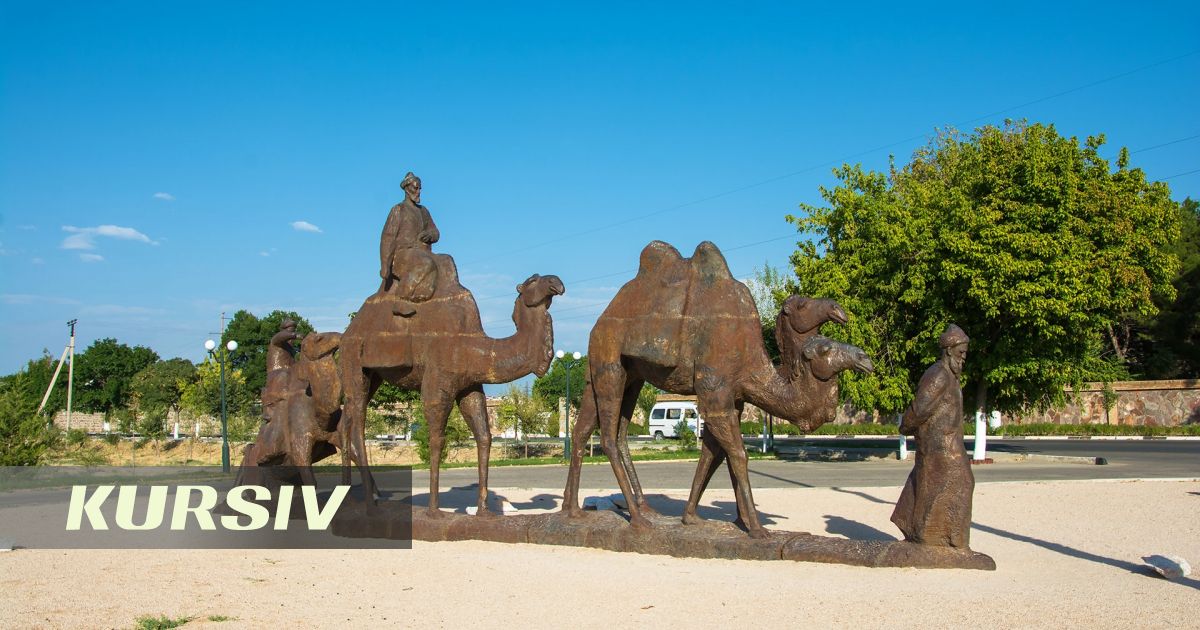
After the confrontation between Khan Tokhtamysh and Tamerlane, the main route of the Great Silk Road shifted south, bypassing Kazakhstan. Historian Zhaksylyk Sabitov explained how the country lost the ancient network of caravan routes, reports infohub.kz.
According to the expert, Kazakhstan was on the northern part of the Great Silk Road. The country was effectively the main transit corridor for goods from the West to China.
"In the era of the Golden Horde, goods came, for example, from Crimea, then went to the Volga, and from the Volga through the territory of Kazakhstan. After that, they ended up in China. This was the northern part of the Great Silk Road," the historian explained.
In addition to this branch, there was also a southern one, which ran through the territory of Uzbekistan. Over time, it became dominant.
"The confrontation between Khan Tokhtamysh and Emir Timur was essentially a struggle for which route of the Great Silk Road would prevail—the northern or the southern. Tamerlane won, so that part of the Great Silk Road became dominant," added Sabitov.
Earlier, the historian revealed surprising facts about the ancestors of Kazakh cities on the Silk Road. It turned out that in the 18th–19th centuries, Kazakhs called modern Atyrau Uishik, and the city of Sairam was located on the site of present-day Shymkent. You can read about other ancient forgotten cities of Kazakhstan here.
Earlier, Kursiv wrote that the world opera heroine Princess Turandot lived in the territory of Kazakhstan.