

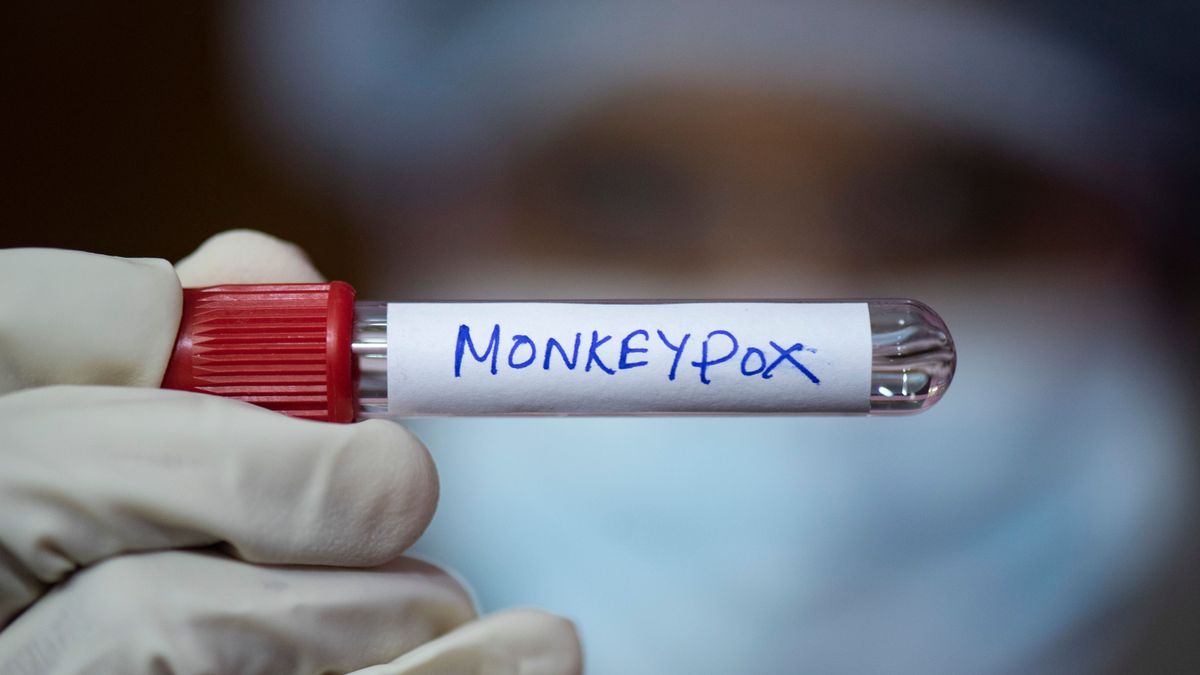
Kazakhstan's Ministry of Health says it cannot rule out the importation of monkeypox into the country and has stepped up sanitary and quarantine controls at border crossings, infohub.kz reports.
According to the ministry's press service, officials are continuously monitoring the global epidemiological situation for infectious diseases, including monkeypox. "Given the registration of cases in certain countries around the world and Kazakhstan's active international transport links, the importation of the infection into the country cannot be ruled out. At the same time, the risk of widespread transmission of monkeypox among the population is assessed as low, given the characteristics of how the pathogen is transmitted," the ministry said.
To prevent the importation and spread of the infection, a set of sanitary, preventive and anti-epidemic measures is being carried out in line with a decree from Kazakhstan's Chief State Sanitary Doctor.
The measures include tighter sanitary and quarantine controls at state border crossings; monitoring of the epidemiological situation in countries where cases are being recorded and of citizens arriving from those countries; equipping all checkpoints and sanitary-quarantine posts with contactless body temperature measurement devices; ensuring medical organizations and laboratories are ready to promptly detect and diagnose the infection; and the operation of approved alert and interagency response protocols for suspected especially dangerous infections.
"The list of countries requiring heightened epidemiological attention is regularly updated in line with developments worldwide. Based on the results of the sanitary and quarantine controls carried out across all modes of transport, no patients or persons suspected of having especially dangerous infections have been identified," the Ministry of Health added.
According to the ministry, monkeypox is a viral disease caused by the MPXV virus. The infection is transmitted mainly through close physical contact with an infected person, including contact with skin rashes and bodily fluids. Infection is also possible through contaminated clothing, bedding and other items, as well as through contact with infected animals. Characteristic symptoms include fever, headache, muscle aches, swollen lymph nodes and a skin rash.
Doctors recommend avoiding close physical contact with people who have unexplained skin rashes or other signs of an infectious disease; observing personal hygiene rules; and not sharing personal items, clothing or bedding with anyone suspected of having the infection. Anyone who develops characteristic symptoms, especially after traveling to countries with recorded cases, should seek medical help promptly and inform the healthcare worker about their travels and possible contacts.
It was previously reported that Russia had launched an epidemiological investigation into possible cases of monkeypox. Five people were hospitalized.