

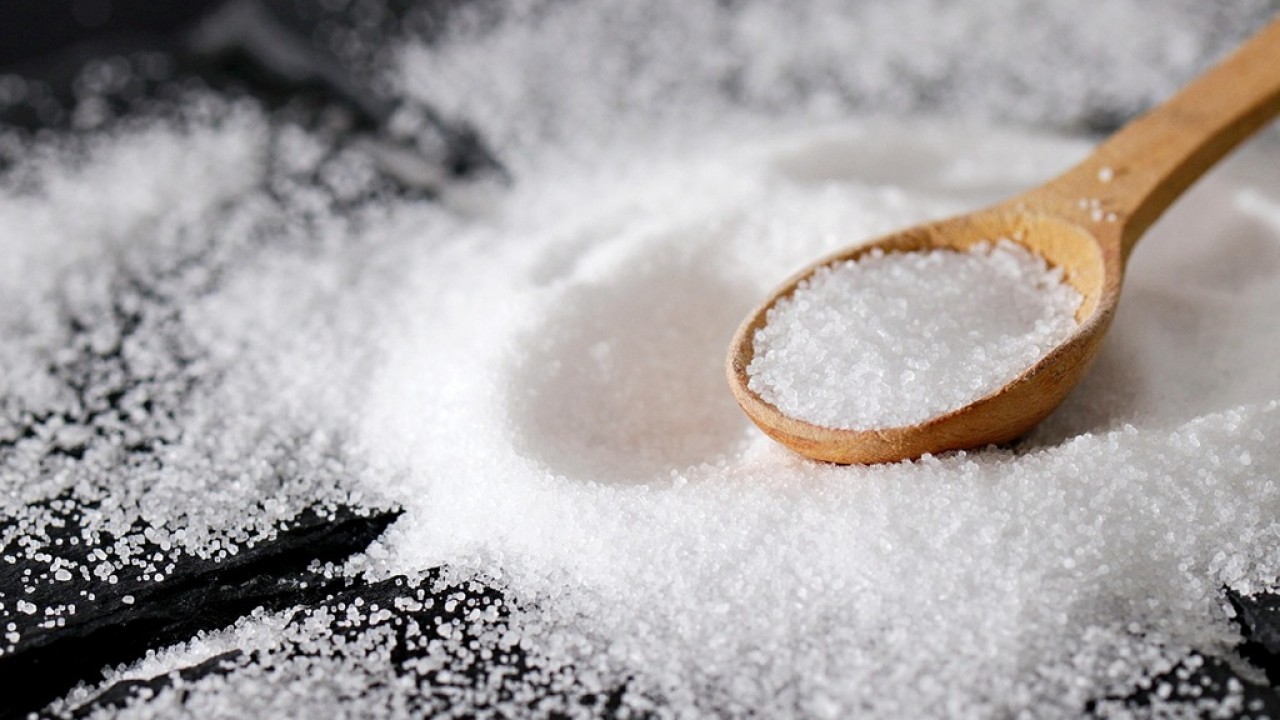
Salt remains an important part of the human diet, but its excessive consumption can negatively affect health, reports the website infohub.kz.
The Ministry of Health of the Republic of Kazakhstan noted that sodium, contained in salt, is necessary for the normal functioning of the body's cells, but exceeding the recommended norm is associated with increased risks for the cardiovascular system.
According to the ministry, excess salt can contribute to increased blood pressure, the appearance of edema, and increased stress on the kidneys and heart. In addition, excessive salt consumption is considered one of the risk factors for the development of stroke, heart attack, and other diseases.
Specialists pay particular attention to the so-called "hidden salt" found in ready-made products - sausages, cheeses, sauces, and other processed foods. Because of this, a person can exceed the daily norm even without adding much salt to cooked food.
The Ministry of Health reminded that the World Health Organization recommends that adults consume no more than 5 grams of salt per day.
To reduce salt intake, specialists advise gradually decreasing the amount used in cooking, using spices and herbs as alternatives, and carefully reading product labels.
The ministry emphasized that it is not necessary to completely exclude salt from the diet: the key factor remains maintaining balance and controlling its amount, especially for people with chronic diseases.