

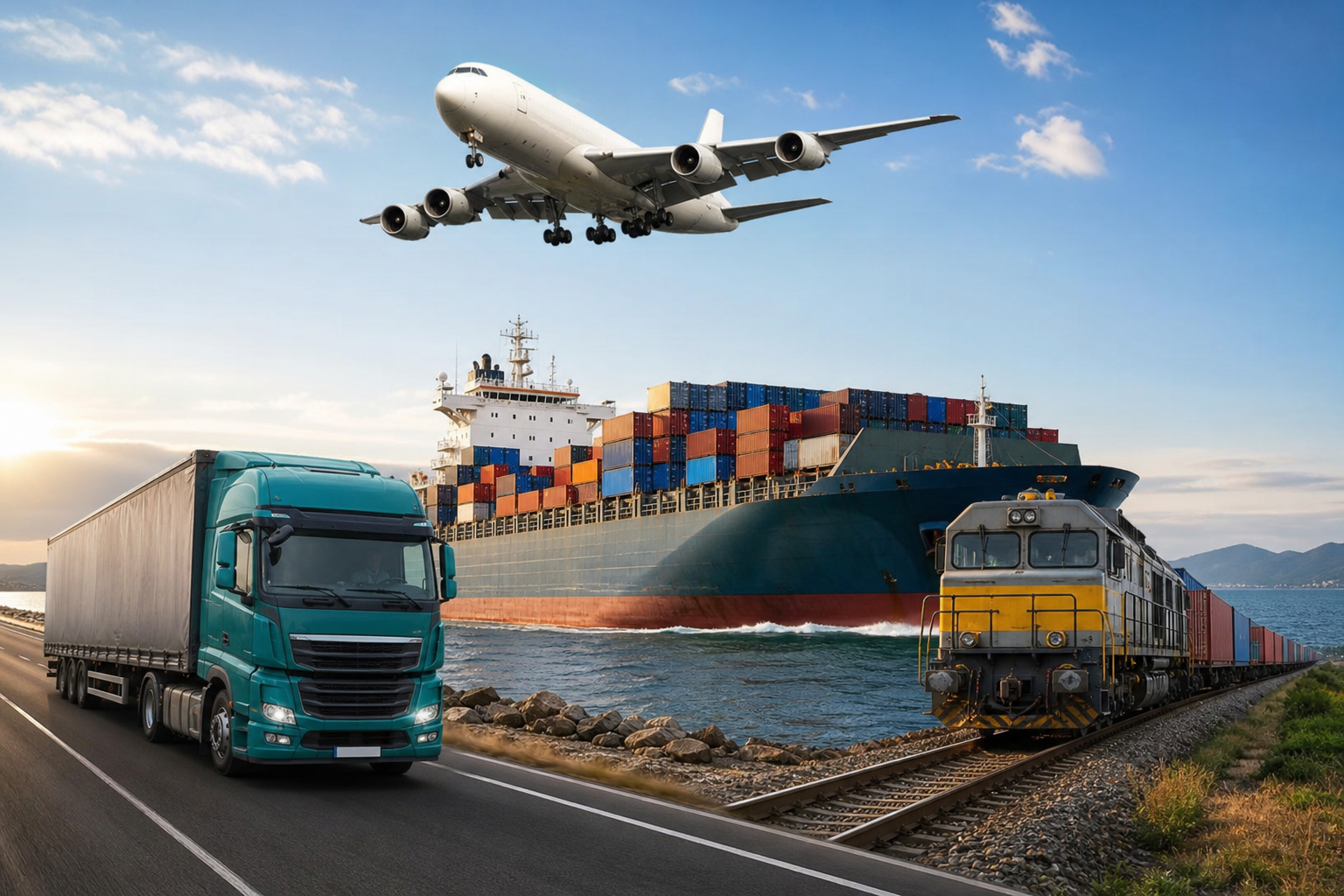
Kazakhstan's transport sector posted strong growth in the first half of 2026, with passenger and freight volumes increasing. Nearly 980 million passengers were carried by all modes of transport, while cargo turnover exceeded 255 billion tonne-kilometers, reports the website infohub.kz.
According to the Bureau of National Statistics under the Agency for Strategic Planning and Reforms of the Republic of Kazakhstan, from January to June 2026, all transport modes carried 979.4 million passengers, up 5.5% from the same period last year. Passenger turnover rose 5.1% to 45.3 billion passenger-kilometers.
"The largest share of passenger transport traditionally came from road transport. Over six months, buses and other road vehicles carried 962.7 million people. Rail transport carried 9.2 million passengers, air transport 7.4 million, and sea transport 14,000 people," the Bureau said.
Revenue from passenger transport services reached 0.8 billion tenge.
The highest growth in passenger turnover was recorded in Kostanay region at 62.7%. Other strong performers included Almaty (22.3%), Akmola region (20.6%), and Shymkent (19.2%). Almaty region saw a 15.8% increase, Karaganda region 14.2%, Zhetysu region 13.6%, and West Kazakhstan region 10%. Zhambyl and North Kazakhstan regions each grew 8.9%, Aktobe region 4.6%, and Abai region 2.3%.
Freight transport also showed positive dynamics. "As of January–June 2026, cargo turnover reached 255.8 billion tonne-kilometers, up 2% from the same period last year," the national statistics authorities noted.
The highest cargo turnover growth was registered in Zhetysu region (16.3%), followed by Abai region (12.2%), Kyzylorda region (8.7%), Astana (8.5%), Aktobe region (6.9%), Turkestan region (5.8%), Akmola region (4.9%), Ulytau region (4.6%), and East Kazakhstan region (2.5%). Growth also occurred in West Kazakhstan, Zhambyl, and Mangystau regions (each 1.9%), Almaty (0.4%), and Kostanay region (0.2%).
The statistics indicate that Kazakhstan's transport sector maintains a steady positive trend. The increase in passenger and freight movements reflects greater transport activity among the population and businesses, as well as further development of the country's logistics infrastructure.