

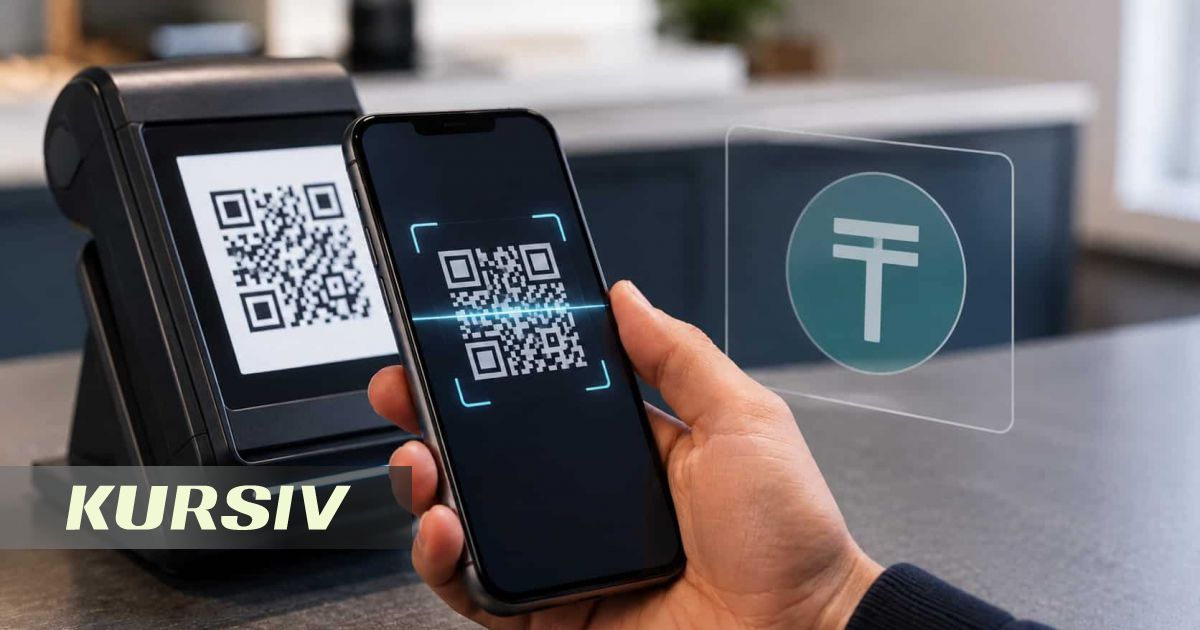
Kazakhstan is considering exempting value-added tax (VAT) on services for QR payments, phone number transfers, electronic money, and the digital tenge. The issue was discussed at a meeting of the Project Office for the Implementation of the Tax Code, chaired by Deputy Prime Minister and Minister of National Economy Serik Zhumangarin, reports infohub.kz.
Currently, VAT exemption applies to payment card transactions. Financial regulators propose extending similar benefits to other non-cash payment methods.
Meeting participants noted that the payment market has changed significantly in recent years. Kazakhs increasingly use QR codes, mobile transfers, electronic money, and other digital tools. Therefore, regulators believe it is necessary to create uniform tax conditions for various types of non-cash payments.
Previously, the benefit was introduced separately for bank cards, as they were the most common payment instrument at the time. The VAT exemption was not automatically extended to new payment methods: it is necessary to assess the economic effect and determine the exact list of operations that would qualify for the benefit.
In addition, in 2026, Kazakhstan updated its payment legislation and expanded the definition of payment card operations. Tax rules now require further clarification.
Zhumangarin supported the development of modern payment instruments, including QR payments and the digital tenge. He instructed to provide calculations confirming the economic feasibility of scrapping VAT on their services.
A final decision has not yet been made. The Ministry of Finance, the Agency for Regulation and Development of the Financial Market, and the National Bank will further work on the initiative, clarify legislative norms, and calculate the potential impact on the economy and budget.
The meeting also considered the application of a zero tax rate on mineral extraction. The Ministry of Industry and Construction was instructed to update the rules for determining low-profit solid mineral deposits.