

In Kazakhstan, as part of Kazakhtelecom's large-scale infrastructure project, internet access is now available in 1,183 rural settlements out of 3,008 covered by the investment agreement between the state and the company. Bagdat Mussin, Chairman of the Management Board of Kazakhtelecom JSC, announced this, infohub.kz reports.
The project aims to bridge the digital divide between urban and rural areas and is one of the country's largest infrastructure initiatives. According to the company, 16,400 km of communication lines have been built so far out of the planned 42,000 km. A total of 1,683 government institutions, including 797 schools and 303 medical facilities, have been connected to the internet. The project is scheduled for completion in 2027.
According to the company head, providing connectivity to every settlement is one of Kazakhtelecom's strategic objectives. However, building telecommunications infrastructure in remote areas is not always commercially viable. Nevertheless, access to digital services should not depend on where citizens live.
The arrival of modern telecommunications infrastructure creates conditions not only for improving access to government, educational, and medical services but also for developing entrepreneurship in rural areas.
For example, Aigul Torekhanova, a resident of Karasay village in Almaty Region, is growing her own business through social media. A mother of three, she sells women's clothing via TikTok livestreams, where she already has 8,000 followers. Before high-speed internet was connected, unstable connectivity limited the entrepreneur's opportunities. Now she can conduct online broadcasts, interact with customers, and grow sales without leaving her village.
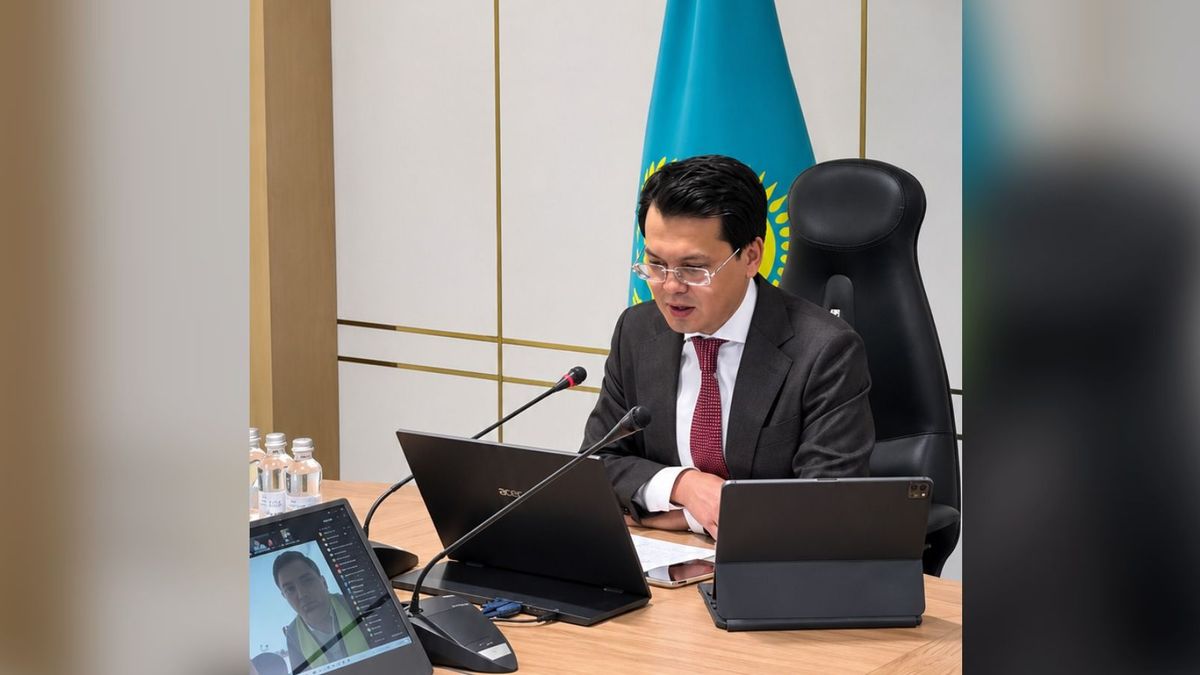
In early November, Bagdat Mussin held a video conference with residents of three villages in Almaty Region, including Karasay, to review the results of the connections and gather feedback from villagers. In total, the national 'Affordable Internet' project will cover 85 settlements in Almaty Region. Fiber-optic lines have already been laid in 25 villages.