

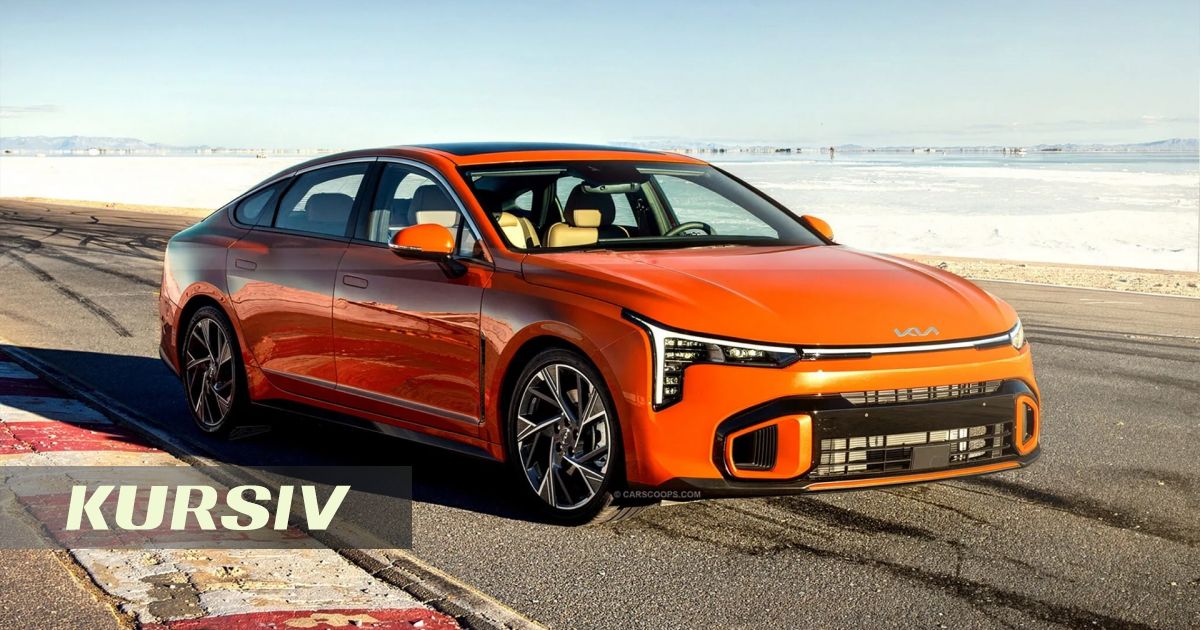
Kia has decided not to develop a new generation of its K5 sedan, opting instead for another deep refresh of the current model. This approach mirrors Toyota's strategy with the Camry and will allow the manufacturer to save on developing a new platform, reports infohub.kz.
The updated K5 will retain the DL3 architecture, in use since 2019. However, the sedan will receive a redesigned exterior, revised suspension and steering settings, and a strengthened body structure. This approach is expected to extend the life of the current platform until around 2030.
Up front, new elements in Kia's signature style will appear, along with redesigned wheels and a rear section featuring a wide light bar.
The biggest changes are reserved for the interior. The Kia K5 will get a new Pleos Connect infotainment system with AI features, an updated dashboard, and a new steering wheel. The electronic gear selector will move to the steering column, freeing up space on the center console.
One of the key innovations will be the TMED-II hybrid powertrain. It is based on a 1.6-liter turbo engine, with a combined output expected to be around 240 horsepower. The transmission is a six-speed unit, with front-wheel drive as standard, and an optional e-AWD system may be offered.
Gasoline versions will remain available. In North America, the 2.5-liter turbo engine producing 290 horsepower is expected to continue in the GT version with all-wheel drive.
In essence, the K5 is set for a deep refresh without a generational change. The sedan will keep its current platform but will gain a new interior, a hybrid powertrain, and technical upgrades. The premiere is expected in late 2026 or early 2027.
Earlier, auto blogger Ilya Sviridov compared the Hyundai Sonata with the hybrid Kia K5 and highlighted their key differences. Kursiv Avto also reported that Kia is recalling over 21,000 EV9 electric vehicles due to airbag issues.