

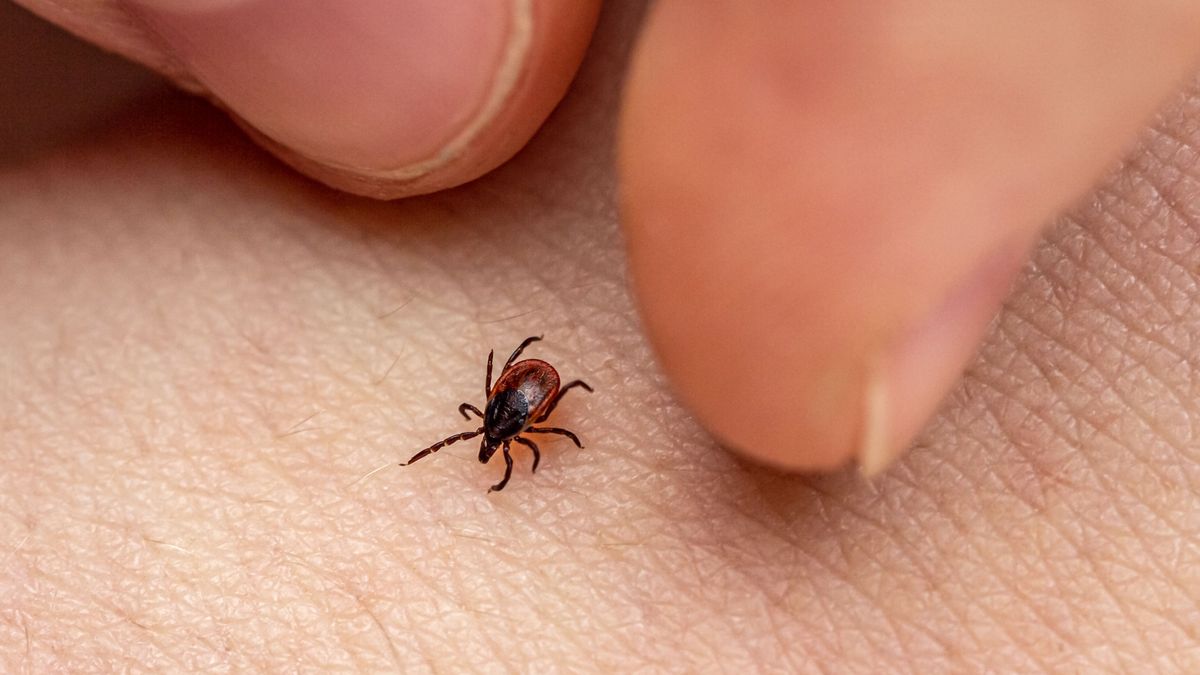
Chinese researchers at the State Key Laboratory of Pathogen and Biosecurity in Beijing have identified a previously unknown orthonairovirus that is transmitted through tick bites and causes flu-like symptoms as well as damage to internal organs. The new pathogen, belonging to the family Nairoviridae, has been named Asian longhorned tick nairovirus (ALTNV), and the findings were published in the New England Journal of Medicine, according to infohub.kz.
The discovery was made while investigating the cause of illness in 30% of patients who had symptoms similar to Dabie bandavirus (DBV) but tested negative for that severe fever. Researchers analyzed samples from 3,163 patients who had been bitten by ticks. They found that 10.4% were infected with ALTNV, and among those who tested negative for DBV, the proportion infected with the new virus was 15.1%.
The main symptoms of isolated ALTNV infection were fatigue (84%), gastrointestinal disorders (80%), thrombocytopenia (38%), and elevated aminotransferase levels (36%). All patients with mono-infection recovered.
Simultaneous infection with both ALTNV and DBV, identified in 38 people, poses a particular danger. In coinfection cases, respiratory symptoms occurred in 61% of patients and kidney dysfunction in 84%, with a mortality rate of 18.4% in this group.
Testing of 47,428 ticks from 15 provinces in China detected ALTNV RNA in 1.3% of the ticks, with the virus most frequently found in the Asian longhorned tick Haemaphysalis longicornis (1.8%), which is capable of transmitting the pathogen to mammals.