

A 35-year-old man in China went to a hospital complaining of pain during urination and blood in his urine. Doctors discovered several metallic foreign objects in his body, infohub.kz reports.
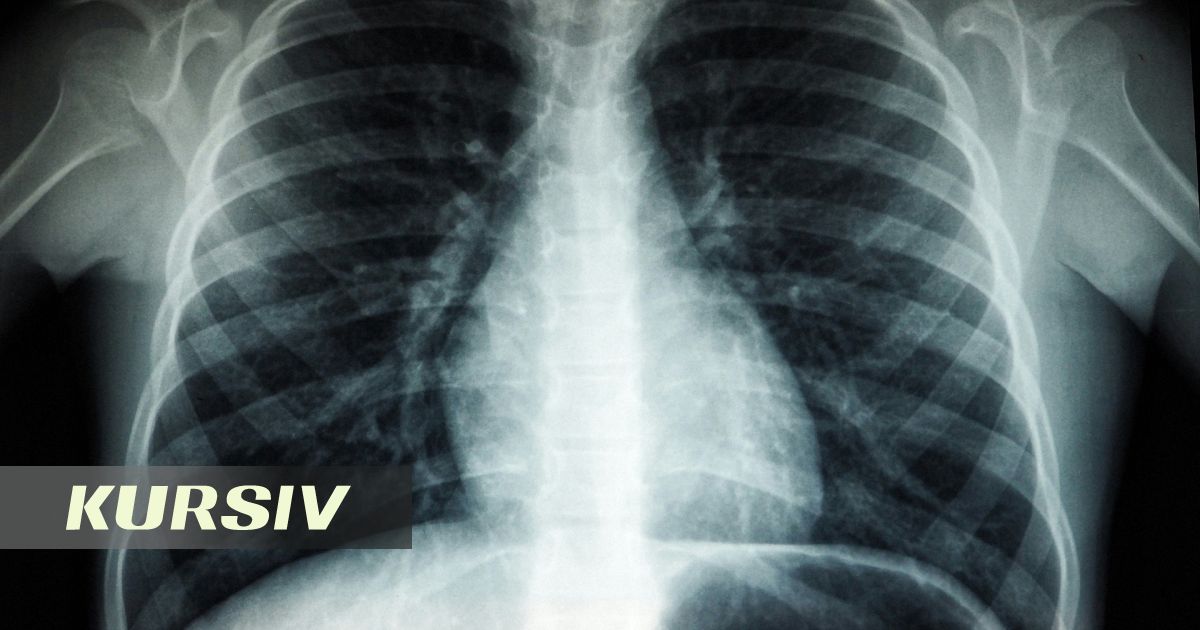
Apart from the urinary problems, the patient generally felt fine — he had no other complaints. However, during the examination, doctors noticed an unusual shadow in the heart area.
A contrast-enhanced CT scan showed that multiple metallic objects resembling needles were present in various parts of the man's body. They were found in the heart area, abdominal wall, pelvis, bladder, and penis.
An ultrasound of the heart revealed that one needle, about 3.6 cm long, had penetrated the wall of the left ventricle and protruded into its cavity. It could have damaged the heart muscle or caused other complications. Therefore, surgeons decided to remove it first.
During the operation, doctors extracted a whole black metal sewing needle. It was covered with traces of corrosion, indicating it had been inside the body for a long time. At the same time, there was no visible scar on the patient's chest that could explain how the needle got there.
After the surgery, heart function temporarily worsened. On the seventh day, doctors found a bulging of the left ventricular apex and a formation suspected to be a thrombus.
The man was discharged on the ninth day after surgery. Nine months later, his condition remained stable, and heart function had recovered.
Doctors decided not to remove the remaining foreign bodies for now, as surgery itself could cause tissue damage and other complications. Instead, the patient continued to be monitored.
Doctors could not determine the exact cause of the incident. The man had an intellectual disability since childhood, and neither he nor his father, who is his legal representative, could explain how the needles ended up throughout his body.
Two years earlier, at another hospital, the man had already had two foreign objects removed from his abdominal area. Given this history, doctors suggested that he might have inserted the objects into his body himself. He could have a rare form of self-harming behavior in which a person deliberately places various objects under the skin or deeper into tissues.
The authors note that such cases are especially difficult to diagnose when the patient cannot provide a full medical history. According to them, imaging methods — CT and echocardiography — play an important role in such situations.
Earlier, Kursiv Health wrote about a case in Shymkent, where a kilogram-sized hairball was removed from a teenager's stomach.