

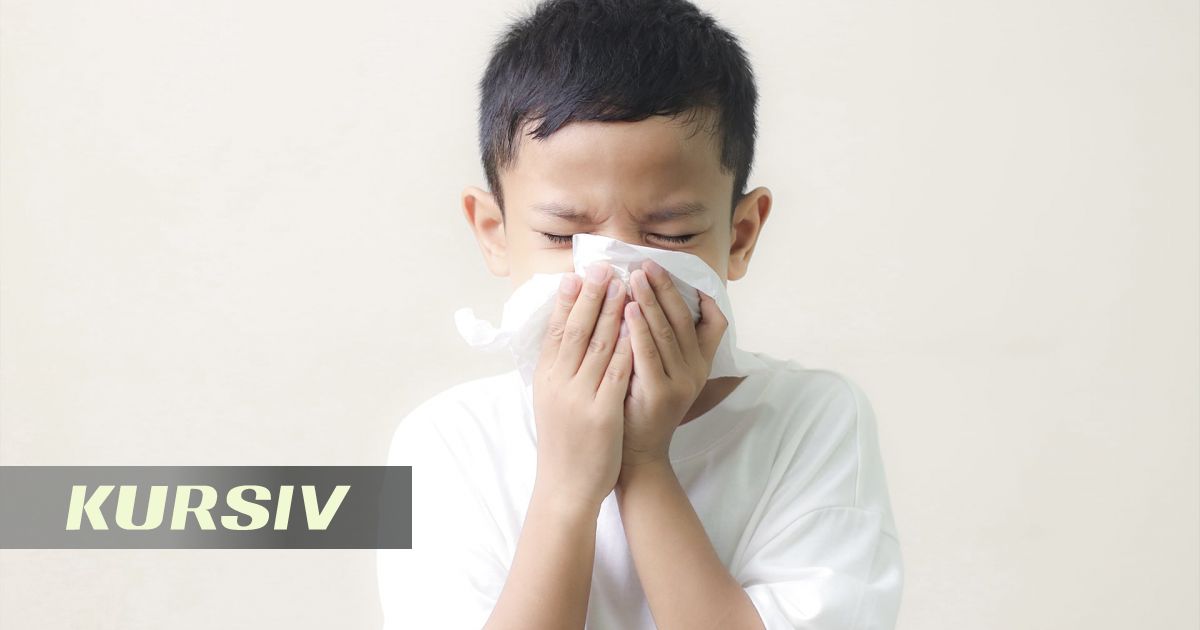
Whooping cough poses a particular threat to infants in their first months of life, when their own immune defenses are only beginning to develop. Since the start of 2026, Kazakhstan has recorded 250 cases of the infection, and according to the Ministry of Health, 90% of those affected are unvaccinated children under five, the website infohub.kz reports.
Whooping cough is an acute bacterial respiratory infection caused by the Bordetella pertussis bacterium. The disease manifests as bouts of convulsive coughing, followed by vomiting with thick sputum. The infection spreads by airborne droplets. The main danger lies in its complications: whooping cough can lead to pneumonia and even damage to the brain.
As Nurshay Azimbayeva, head of the Immunoprophylaxis Center at the National Center for Public Health, explained, protection against the infection can begin to form even before a child is born. During pregnancy, the mother passes antibodies to the fetus through the placenta.
"During pregnancy, a mother passes antibodies to her child through the placenta, and vaccinating the mother against whooping cough raises the level of specific antibodies that the unborn child also receives. They help the child fight off the infection after birth," the expert said.
However, this protection weakens over time, so after birth the child must be vaccinated in accordance with the National Immunization Schedule. In Kazakhstan, vaccination against whooping cough begins at two months.
"To build immunity, it is necessary to receive all the doses provided for by the national immunization schedule," Azimbayeva emphasized.
The family must also be vaccinated. Parents, older children and other close relatives can become a source of infection for an infant, so it is important to vaccinate not only the baby. In adults, whooping cough sometimes manifests as a prolonged cough, whereas in young children the infection can be more severe.
"By protecting a baby today, we are safeguarding what matters most — the first months of their life," noted the head of the Immunoprophylaxis Center at the National Center for Public Health.
According to the National Immunization Schedule, in the first year of life a child receives three doses in a row — at 2, 3 and 4 months. The first booster is given at 18 months, and the next at 6 years. Routine vaccination is available free of charge at the polyclinic to which the child is assigned. A doctor must examine the child before vaccination.