

About 1 in 279 Americans has Lynch syndrome, the most common inherited cause of colorectal and uterine cancer. People with this syndrome have a very high risk of cancer, so scientists are developing vaccines to protect them. Early studies show promise, reports infohub.kz.
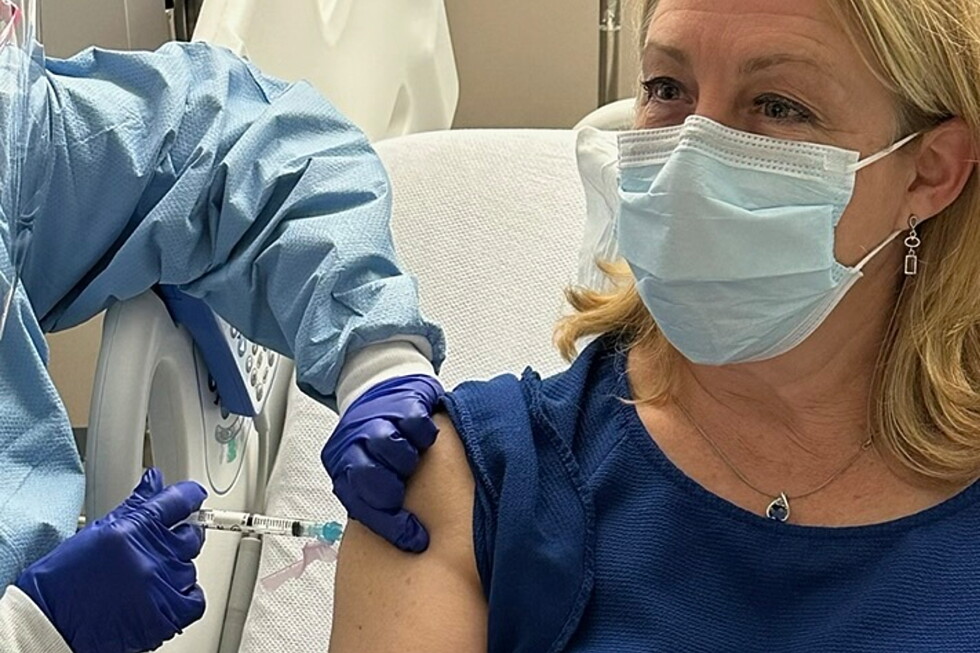
Houston doctor Stacy Norton was diagnosed with Lynch syndrome. Her mother died of colon cancer, and her sister died of a brain tumor at age 25. Norton herself survived uterine cancer, and her two children inherited the mutation. So she agreed to participate in a trial of a new vaccine.
Lynch syndrome is a genetic mutation passed from parents. This mutation impairs the body's ability to repair DNA errors, increasing the risk of tumors. While the average person has a 5% risk of colorectal cancer, people with Lynch syndrome can have a risk up to 80%. The syndrome also increases the risk of uterine, pancreatic, stomach, ovarian, and skin cancers.
Currently, three vaccines against Lynch syndrome are being developed. Two are in clinical trials in the U.S., and a third is starting in the UK. In a study led by Eduardo Vilar-Sanchez of MD Anderson Cancer Center in Houston, Norton and 44 other people with Lynch syndrome tested a vaccine made by Swiss company Nouscom. This vaccine teaches the immune system to recognize 209 abnormalities in precancerous changes caused by Lynch syndrome.
The study results were published in Nature Medicine. After one year, people who received the vaccine had fewer precancerous growths in the colon, and no advanced polyps were observed. Norton herself had no polyps for two consecutive years after vaccination. Researchers plan to give a booster dose to enhance the vaccine's effect.
Oxford University scientists are also starting to test a similar vaccine. They use Moderna's mRNA technology. Additionally, ImmunityBio's Tri-Ad5 vaccine is being compared to a placebo, and results are awaited.
Lynch syndrome is often linked to the rise in colorectal cancer in young adults. In the U.S., about 158,000 people are diagnosed with colorectal cancer each year, most over 50. However, cases in younger adults are increasing. Experts believe awareness of Lynch syndrome is growing due to the expansion of genetic testing.
According to U.S. guidelines, average-risk people should start colorectal cancer screening at age 45. If symptoms such as blood in stool, diarrhea, constipation, unexplained weight loss, or abdominal pain occur, screening should be done at any age.