

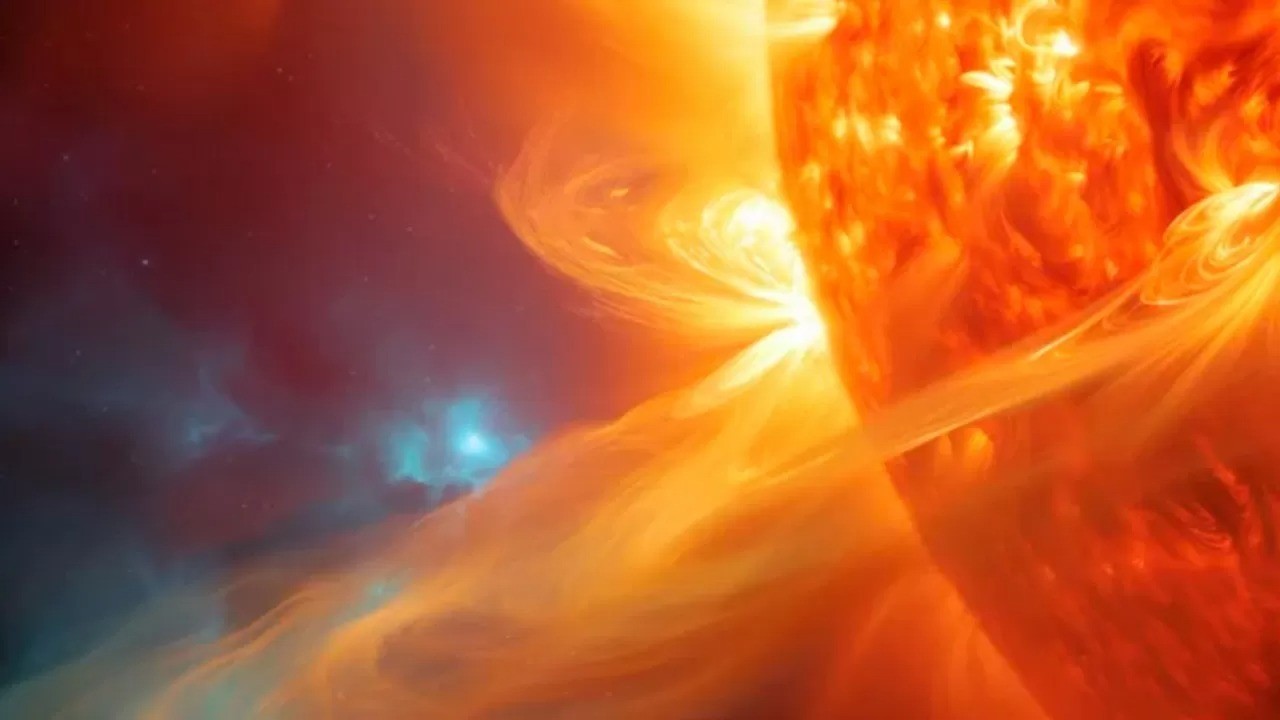
After a calm morning, the geomagnetic situation could take a sharp turn. Forecasts indicate a rise in solar activity on the evening of July 21, potentially pushing geomagnetic disturbance levels to 5 points. While the likelihood of a full-blown magnetic storm remains low, experts advise weather-sensitive individuals to monitor their health closely during the evening hours, according to infohub.kz citing gorsite.ru.
Data from the Laboratory of Solar Astronomy at the Institute of Space Research (IKI RAS) and other scientific bodies suggests that July 2026 is generally a quiet month for geomagnetic activity. However, several periods within the month may see notable disturbances in Earth's magnetic field, including a stretch from July 21 to 23.
Forecasts indicate that July 21 will bring changing geomagnetic conditions. The first half of the day is expected to be calm, with a stable magnetic field and no significant disturbances.
Conditions could shift after 9 p.m., when a sharp uptick in geomagnetic activity is predicted. Some models show the geomagnetic disturbance index hitting 5 points—equivalent to a moderate magnetic storm. While scientists stress that a full storm is unlikely, brief disturbances of that magnitude are possible.
The potential disturbance is linked to active regions on the Sun, which are currently quiet but could trigger brief magnetic field fluctuations. Data suggests the changes will not reach critical levels, yet even minor disturbances may impact some individuals.
Weather-sensitive individuals are most at risk. On Tuesday evening, some may suffer headaches, mood swings, fatigue, and weakness. Specialists advise avoiding strenuous exercise and emotional stress, sticking to a regular sleep schedule, and paying attention to bodily signals.
While the evening surge is anticipated, researchers note that July is generally a calm month for space weather. Any disturbances on July 21 are expected to be brief and not severe. Still, they advise checking updated forecasts as solar conditions can evolve.