

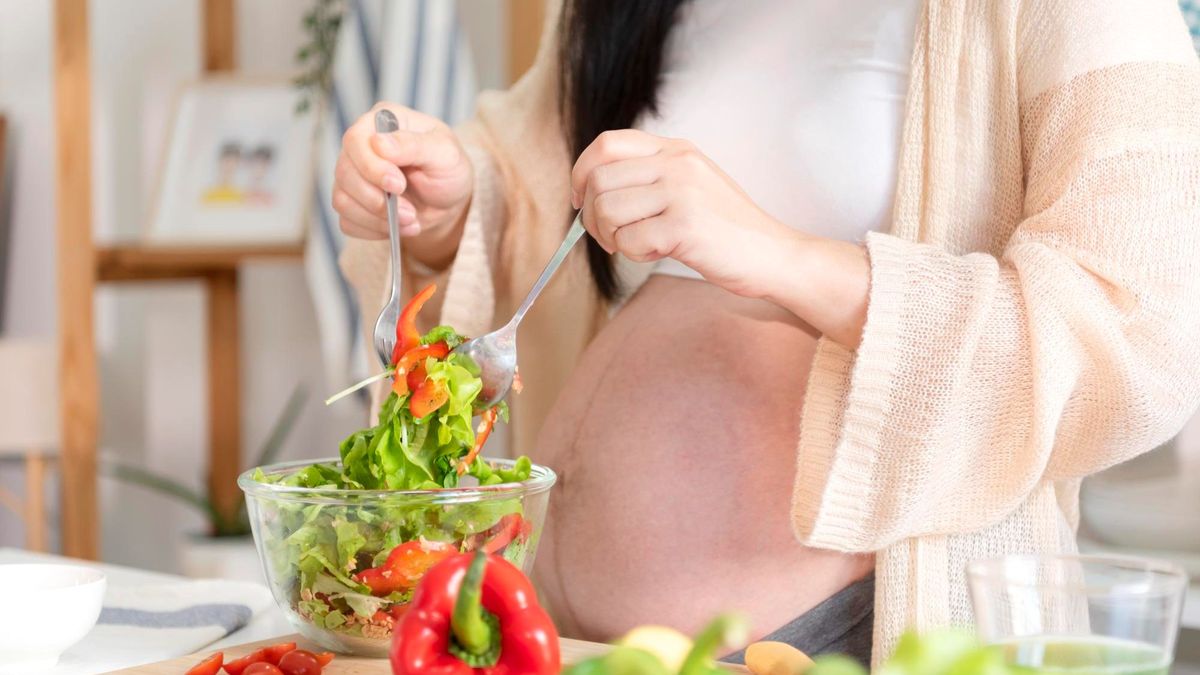
Eating allergenic foods during pregnancy and breastfeeding does not reduce the risk of a child developing a food allergy by age one. That is the conclusion of Australian scientists from the University of Adelaide, who tested the hypothesis that actively including allergens in the mother's diet could build tolerance in children before birth and during lactation, according to infohub.kz.
The results of the large clinical trial PrEggNut were published in The New England Journal of Medicine. This is reported by News-Medical.
The experiment involved 2,137 pregnant women whose families had previously recorded allergic conditions such as asthma or eczema. The participants were divided into two groups: the first consumed at least 6 eggs and 60 peanuts per week during pregnancy and the first 4 months of lactation, while the second followed a standard diet — no more than 3 eggs and 30 nuts.
When the children reached 12 months of age, the researchers conducted skin prick tests and oral food challenges. It turned out that food allergy to egg or peanut developed in 7.8% of infants in the high-allergen group and in 8.4% of children in the control group. This difference was statistically insignificant.
The authors concluded that changing the mother's diet during pregnancy and breastfeeding does not help prevent food allergy in the child. At the same time, the scientists emphasize that timely introduction of these foods directly into the infant's complementary diet at around six months of age remains an effective means of prevention.