

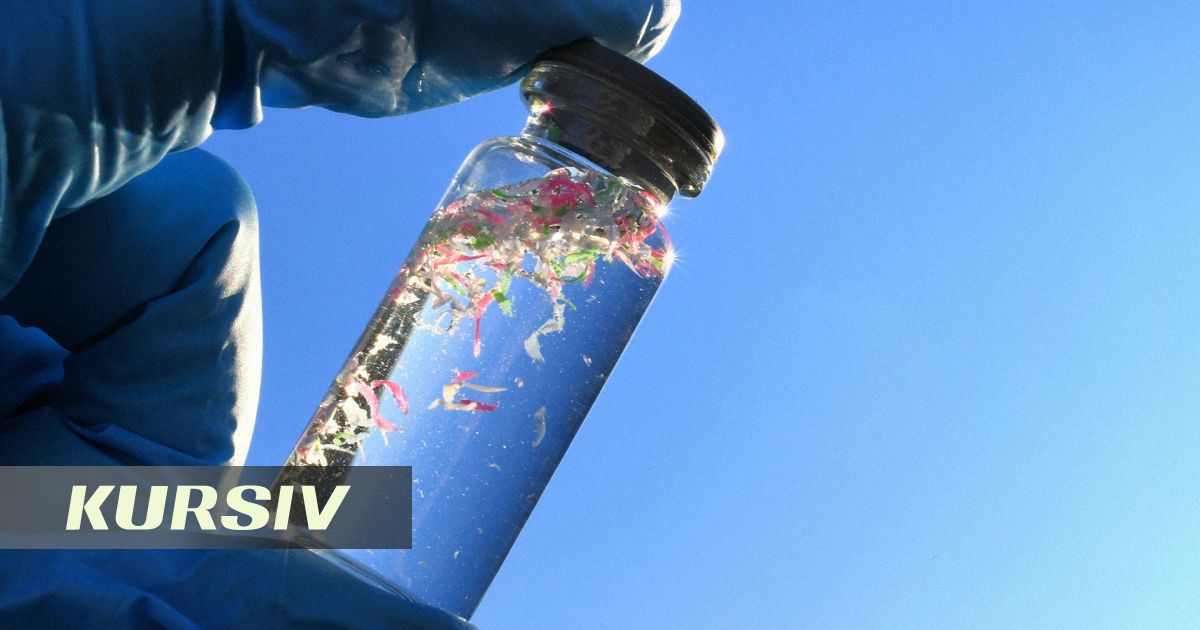
Microplastics can enter the human body through food, water, and even air. Scientists have wondered whether they exacerbate fatty liver disease. Results of an experiment published in the journal Science Advances show that one of the most common types of microplastics—polyethylene—may worsen liver damage in mice, reports infohub.kz.
In the study, researchers tested seven types of plastics on mouse liver cells, including polyethylene, polystyrene, polyethylene terephthalate, and polypropylene. Polyethylene, widely used in packaging, films, and containers, caused the most significant reduction in cell viability. Therefore, further experiments were conducted with its microparticles.
Eight-week-old male mice were divided into four groups: some received a standard diet, others a diet promoting the inflammatory form of fatty liver disease (MASH). In two groups, polyethylene particles (10–150 micrometers in size) were administered daily at a dose of 2 mg per day. The experiment lasted eight weeks.
Afterward, the researchers assessed liver condition, blood ALT levels, fat content, tissue changes, and the activity of thousands of genes. Mice receiving polyethylene showed signs of liver damage. The effect was particularly pronounced in animals on the special diet: they had elevated ALT levels—a marker of liver cell damage—increased triglycerides, and more severe steatosis (fat accumulation). Signs of inflammation and cell damage were also observed, though some changes were less pronounced.
Gene activity analysis revealed that polyethylene altered the expression of hundreds of genes. On a standard diet, changes affected 600 genes, while on the MASH-inducing diet, an additional 279 genes were affected. This indicates that the liver's response depends on diet.
Does this mean microplastics cause fatty liver disease in humans? Not yet, as the study was conducted on mice and its results cannot be directly extrapolated to humans. Moreover, the amount of microplastics needed for a similar effect in humans has not been established. Previously, Kursiv Health reported on a study of the benefits of tomatoes for fatty liver disease.