

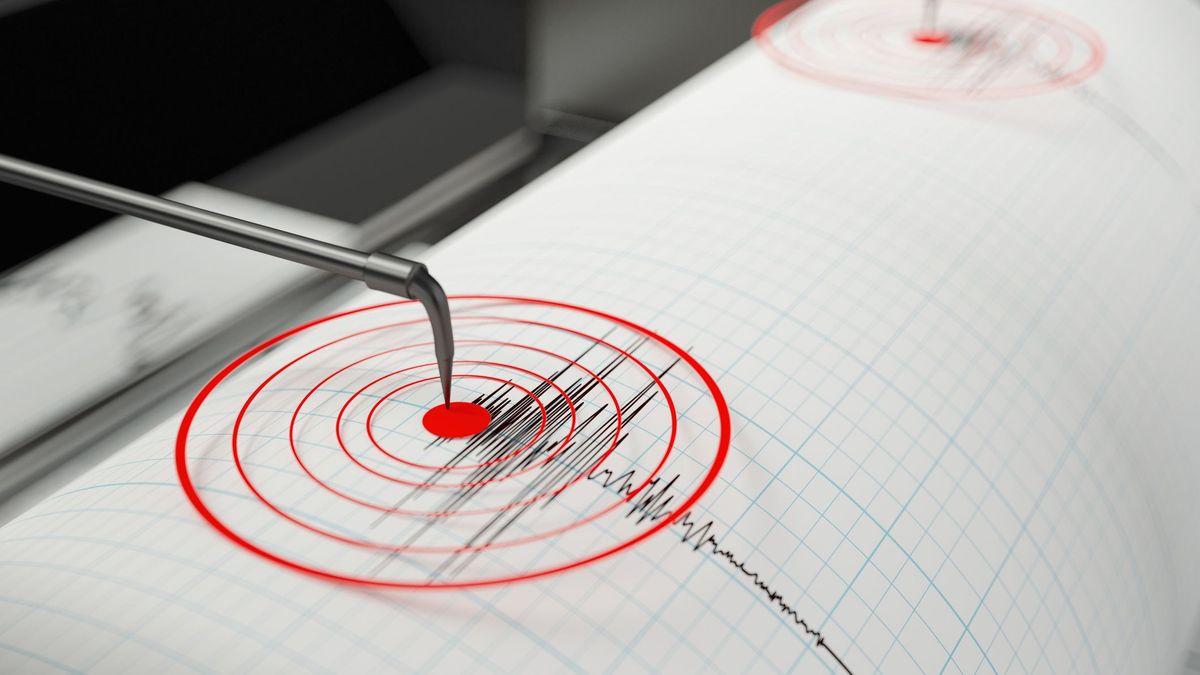
Minor seismic tremors are not always a reliable harbinger of an impending disaster, reports infohub.kz.
Scientists analyzed about 70,000 seismic events recorded in western Canada between 2014 and 2024. They identified 77 main tremors of magnitude 3 and above, directly linked to hydraulic fracturing. The analysis showed that in 92% of cases, these were preceded by foreshocks—weak ground movements within a five-kilometer radius, occurring several days before the main event.
The results indicate the presence of a warning signal that allows operators to pause fluid injection into wells in a timely manner. However, in 8% of cases, major earthquakes occurred without any preliminary symptoms. Moreover, the number of foreshocks varied greatly: from a single pulse to several hundred small tremors before one powerful shift.
Experts propose three possible scenarios: the injected fluid may gradually weaken the fault, increase rock deformation, or trigger complex interactions between layers. Seismologists emphasize the need for open access to data from extraction companies to better calibrate safety systems and minimize risks.