

Kazakhstan is continuing comprehensive efforts to prevent mudflow threats in its most dangerous regions. Specialists from the Ministry of Emergency Situations keep 496 mudflow-prone areas under round-the-clock surveillance, reports the website infohub.kz.
According to the ministry, potentially hazardous areas are located in Almaty, Shymkent, Almaty region, East Kazakhstan, Zhambyl, Turkestan, Zhetysu, and Abay regions. To reduce the risk of emergencies, specialists monitor hydrometeorological conditions daily, inspect dangerous sites, and carry out preventive work on moraine lakes.
“To respond quickly to potential emergencies, the state institution Kazselezashchita has formed 11 emergency mechanized brigades,” the country’s rescue service reported. “They employ 117 specialists and have 61 units of specialized equipment.”
Continuous monitoring of hydrometeorological conditions is ensured by 30 dispatch points and 79 year-round posts of Kazselezashchita. Additionally, 38 seasonal posts are opened during periods of heightened mudflow danger. On potentially dangerous sites, 133 warning signs have been installed to inform the public about possible risks.
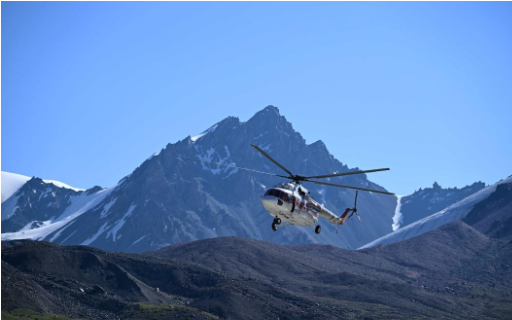
Great attention is paid to preventive work. “Together with territorial divisions of the Ministry of Emergency Situations, specialists from Kazselezashchita have already conducted 541 ground surveys and 16 aerial surveys of mudflow-prone areas. In addition, preventive work is currently planned on 15 moraine lakes located in Almaty, Almaty region, and Zhetysu region,” the 112 service of Kazakhstan said.
These measures are aimed at timely detection of potential threats, reducing the likelihood of mudflows, and ensuring the safety of the population, infrastructure, and economic activities. The Ministry emphasized that monitoring and prevention of mudflow processes are carried out on an ongoing basis. The implementation of a set of preventive measures allows early detection of dangerous changes in mountainous areas and minimization of the consequences of possible emergencies.