

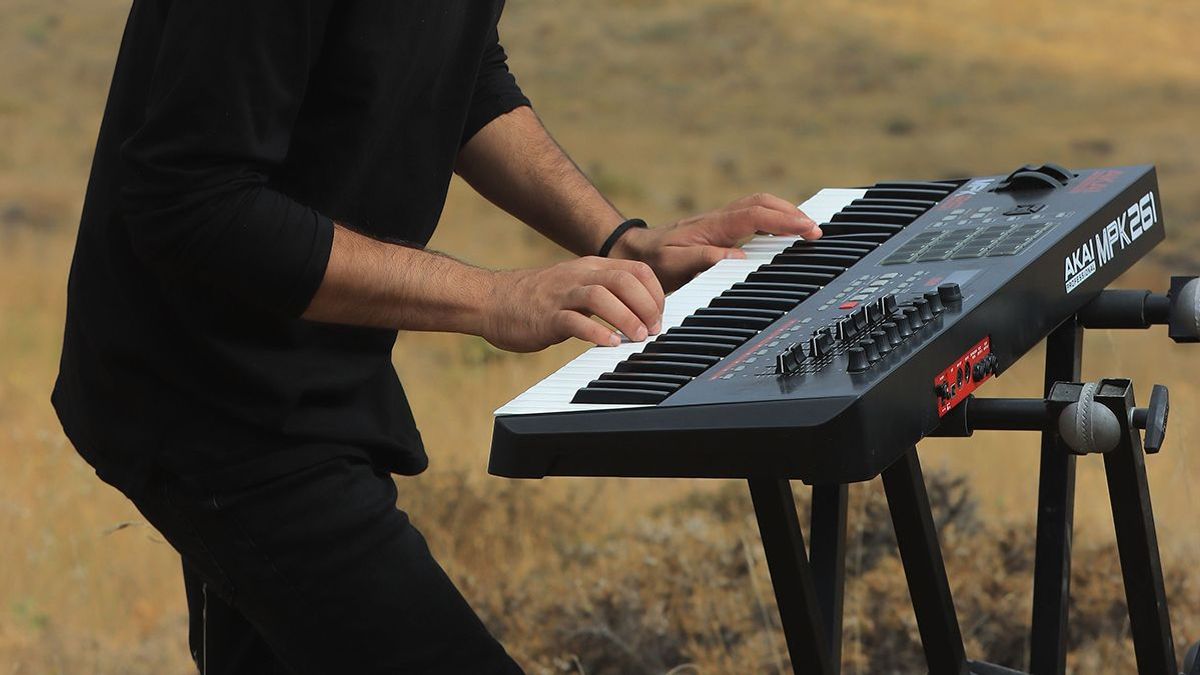
Musical training gives people a significant edge in predicting sequences of actions and memorizing new movements faster, reports infohub.kz.
Researchers from Edith Cowan University, Curtin University, and Deakin University conducted an experiment with 151 volunteers to understand the mechanisms behind the so-called musician advantage. Some participants had formal musical education. The volunteers learned a sequence of ten steps using visual cues on a screen and accompanying sound signals.
The results showed that musical training helps people anticipate the next step in a chain of events significantly faster. However, the scientists found that fresh motor memory is easily vulnerable. If participants were shown a different visual sequence immediately after learning, their performance declined. Meanwhile, extraneous auditory distractions had little effect on the accuracy of repeating the actions.
The authors emphasize that musical experience provides an advantage in prediction but does not make memory invulnerable. These findings are important for designing effective programs in sports training, music education, and medical rehabilitation. To protect new skills, it is necessary to properly isolate the specific sensory channel that the task relies on.