

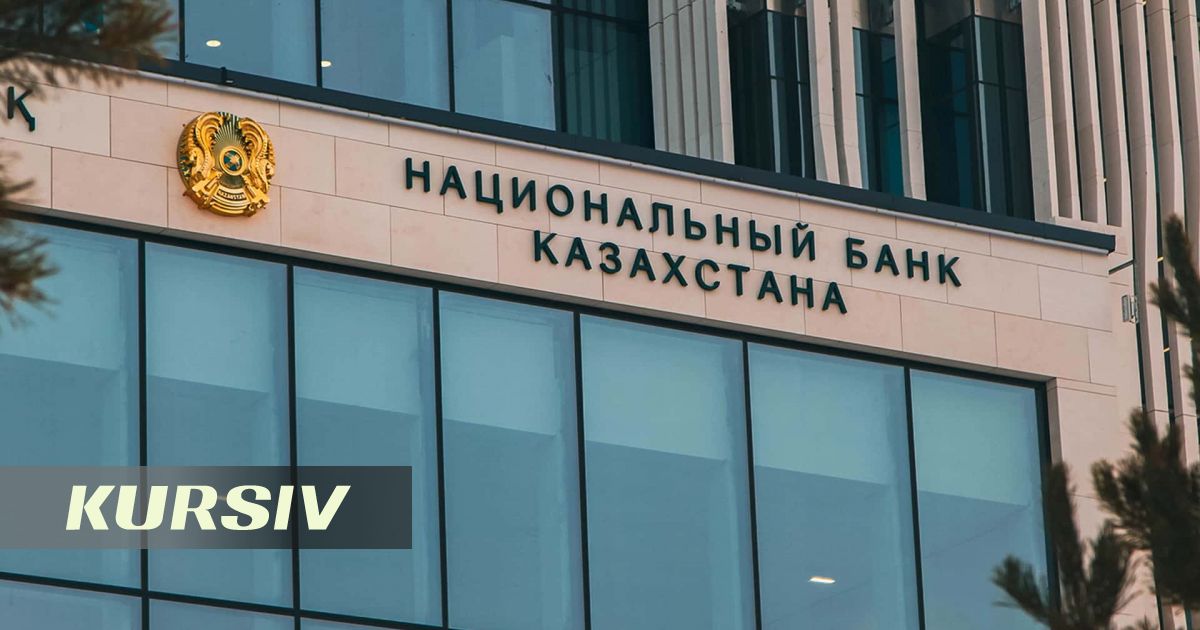
The National Bank of Kazakhstan plans to withdraw an additional 8 trillion tenge from the country's economy as part of its monetary policy measures. The regulator's head, Timur Suleimenov, announced this at a government meeting, as reported by infohub.kz.
The bulk of this amount will be withdrawn through two measures. The first is mirroring gold purchase operations. Over the first seven months of 2026, the National Bank has already withdrawn 2.4 trillion tenge this way. By the end of the year, the regulator expects to increase this to 4.1 trillion tenge.
The mirroring of gold purchase operations became known in January 2025. At that time, it was reported that the regulator intended to move towards "monetary neutrality" through this mechanism. The mechanism involves the National Bank selling the foreign currency proceeds from gold exports. According to Suleimenov, this reduces the excess money supply in the economy and helps lower inflation.
Another 4 trillion tenge is expected to be absorbed through a gradual increase in minimum reserve requirements (MRR) for banks.
The National Bank approved new MRR for banks in August 2025. For tenge liabilities, requirements rose from 1.3% to 3.5%, and from September 1, 2026, they will increase to 5% (for certain categories of liabilities). For foreign currency liabilities, they have already risen from 2.5% to 10% and will eventually reach 15%.
These are percentages of liabilities that banks must hold in their correspondent accounts at the National Bank. These funds are not in circulation, meaning banks cannot use them for lending or other profit-generating instruments.
It is also important to note that both mechanisms withdraw tenge from the economy, but in the case of mirroring, liquidity returns to the system in the form of foreign currency.
Earlier, Kursiv reported that the regulator's radical increase in reserve requirements for Kazakh banks is intended to reduce the trade liquidity surplus and slow inflation.
As early as October 2025, Suleimenov spoke about the need to withdraw excess liquidity from the economy. By that time, about 4.2 trillion tenge had already been withdrawn.