

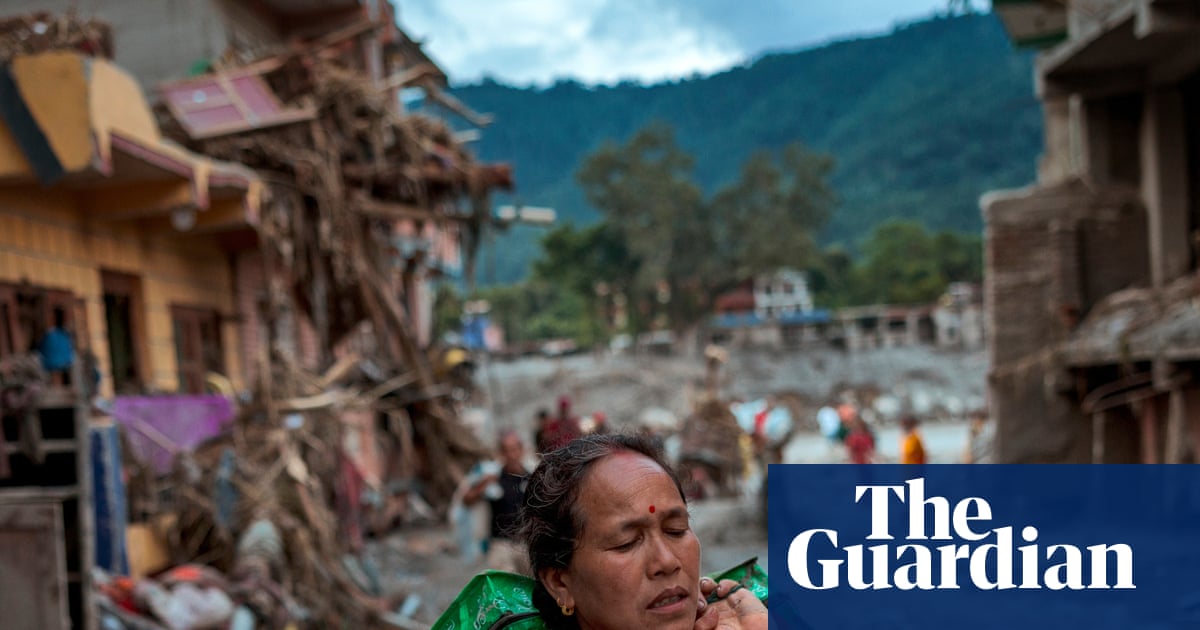
The death toll from the floods in Nepal and Tibet has risen to 768, with another 3,048 people still missing. This was reported by infohub.kz.
Rescuers continue to search villages buried under mud and water. Nepali authorities have begun taking DNA samples from the deceased to identify bodies before handing them over to relatives. According to the US Geological Survey, the disaster was caused by a glacial collapse.
Nepal's Foreign Minister Shishir Khanal called for a global response to the climate crisis, noting that despite contributing only 0.1% to global emissions, Nepal is suffering severely from the effects of climate change.
Rescue efforts are concentrated at the Trishuli 3A hydropower station tunnel, where more than 100 workers are believed to be trapped. The Nepali army has installed a pipe to supply air to the tunnel and has begun excavation. Home Minister Sudan Gurung said rescuers are racing against time to reach those inside.
Nepali authorities have warned of rising flood waters and urged rescuers to be cautious. In Dhading district, residents are returning to their homes to see what remains. One resident, Govinda Shrestha, said they are constantly on alert and forced to flee to higher ground even at night.
The Nepali government estimates that reconstruction will cost billions of dollars. There are also concerns about the rapid decomposition of bodies in water, necessitating forensic examination and preservation.
In Tibet, rescue operations were temporarily halted due to the risk of flooding from a newly formed lake. Chinese authorities report that 2,141 rescuers are working in the affected area.
Outside a hospital in Kathmandu, relatives gathered searching for missing loved ones. One woman, Dil Maya Lama, came from 130 kilometers away to look for her 26-year-old brother, a driver for a hydropower company in Rasuwa. Another woman, Nelza Moktan, was desperately seeking information about her cousin, also a driver in Rasuwa.