

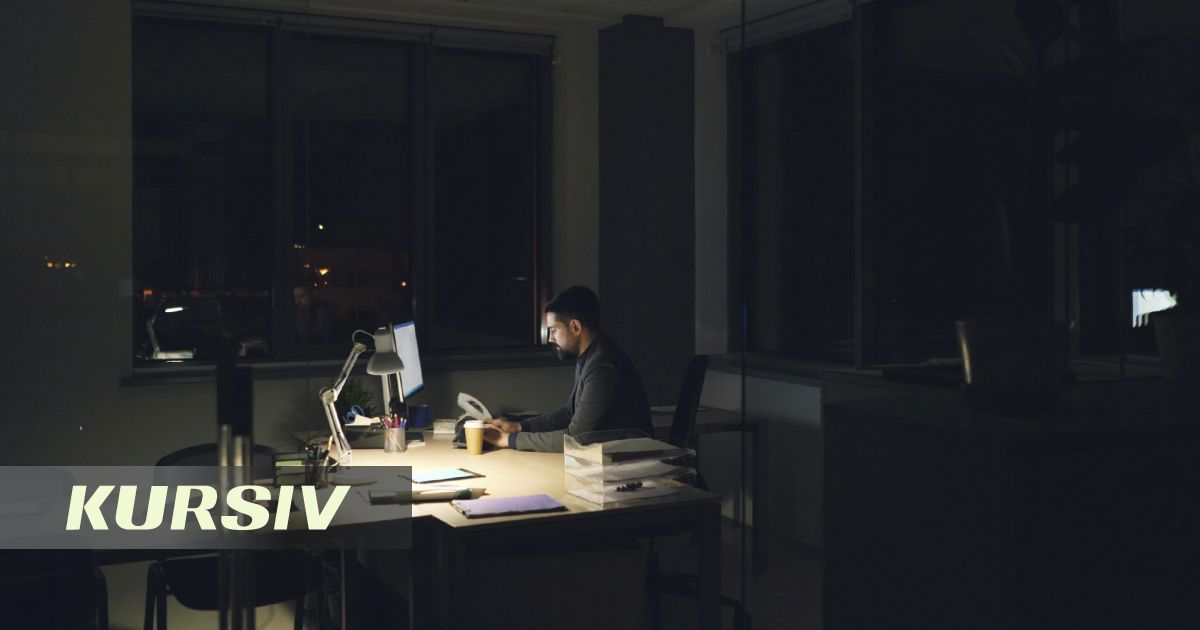
Working night shifts may increase the likelihood of developing long COVID by 88%, according to a new study. Disrupted circadian rhythms and chronic insomnia, often associated with night schedules, can seriously undermine the body's immune defenses, making it harder to recover from a coronavirus infection... reports the website infohub.kz.
The study, published in the Scandinavian Journal of Work, Environment & Health, was conducted by researchers at the Barcelona Institute for Global Health and the Germans Trias i Pujol Research Institute. It involved 2,941 adults who were followed from 2021 to 2023.
At the start of the study, participants reported their work schedules, sleep quality, and whether they had chronic insomnia. The researchers then tracked who contracted COVID-19 and who experienced lingering symptoms after the infection.
During the follow-up period, 1,899 people contracted the coronavirus, and 284 of them had symptoms lasting more than three months. Night shift workers had an 88% higher risk of long COVID compared to day workers. Chronic insomnia also increased the likelihood of prolonged symptoms by 42%.
The strongest association was seen in those who had both risk factors: night work and chronic insomnia. In this group, the risk of long COVID was about 2.7 times higher compared to day workers without insomnia.
Why do night shifts affect health so significantly? Regularly staying awake when the body is preparing for sleep disrupts circadian rhythms. This can affect the immune system, determining how effectively the body fights off infection and recovers from it.
Notably, the link between night work and long COVID risk persisted even among those who had already switched to a day schedule. It was especially pronounced in participants with obesity. The authors suggest that the combination of metabolic disturbances and disrupted sleep patterns may further hinder recovery.
However, the study does not prove that sleep disruption directly causes long COVID. The possible mechanism remains a hypothesis. Night workers may have other characteristics that affect health, such as job type, physical activity, and eating patterns. Their influence cannot be completely ruled out.
Additionally, participants were aged 40 to 65, so the results may not apply to other age groups. Previously, Kursiv Health published an article about melatonin, a popular sleep aid, in which an endocrinologist answered common questions about its use.