

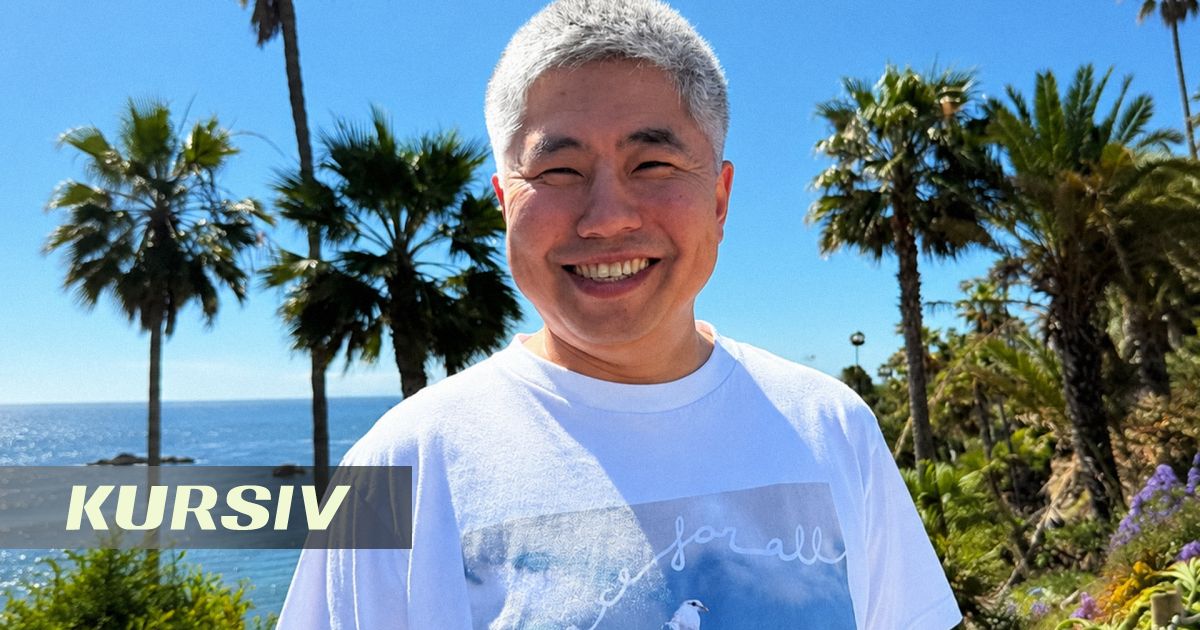
Kazakhstani director, actor, and producer Nurtas Adambai, known for the comedy "Kelinka Sabina," has for the first time spoken in detail about his move to the United States, his changing creative priorities, and his attitude toward his past work, in the podcast "Kino Solidarnost," reports infohub.kz.
According to Adambai, the move was not planned in advance. He came to the US temporarily, but once there, decided to try to stay. "We came to the US to spend some time here. But once here, I felt that I would like to work and live here. I remembered that it was my childhood dream to live in the US. When I started making films, I dreamed of one day shooting movies in Hollywood," the director said.
Adambai is currently in the US on a student status: he is learning the language and studying art. He has also applied for an "artist visa."
During the interview, Adambai addressed criticism related to his change of residence. Earlier, news of his move to the US was met with irony by many users due to his previous public statements against LGBT propaganda, his calls to ban the screening of the animated film "Lightyear," and his active religious stance.
The director emphasized that he never opposed specific individuals, but only expressed his position against the promotion of non-traditional values among children. "Having come here, I do not see any propaganda of such values. Yes, there are different people, but that is their private life. Here everyone lives their own life, and no one imposes anything on anyone," he stated.
One of the most unexpected admissions concerned his main box-office hits. Adambai said that over time his views on creativity have radically changed, which is why he decided to completely remove his past films, including "Kelinka Sabina," from official access. "Today I believe that such films should not be made or shown – where someone male can dress in women's clothing. I have changed my opinion here. Every work should convey positive emotions, and a filmmaker must feel personal responsibility to the audience," the director shared.
Additionally, he revealed that while in the US on a student visa (without work authorization), he began writing books. According to Adambai, he initially tried to edit texts with ChatGPT, but then abandoned the idea. "I thought, better it be clumsy, but it will be mine, original. Artificial intelligence can write perfectly, but it comes out too correct, without a soul," he noted.
The author has temporarily paused publishing his books on online platforms until he obtains official work permission, but he hopes that in the future these stories will be realized, including as films.