

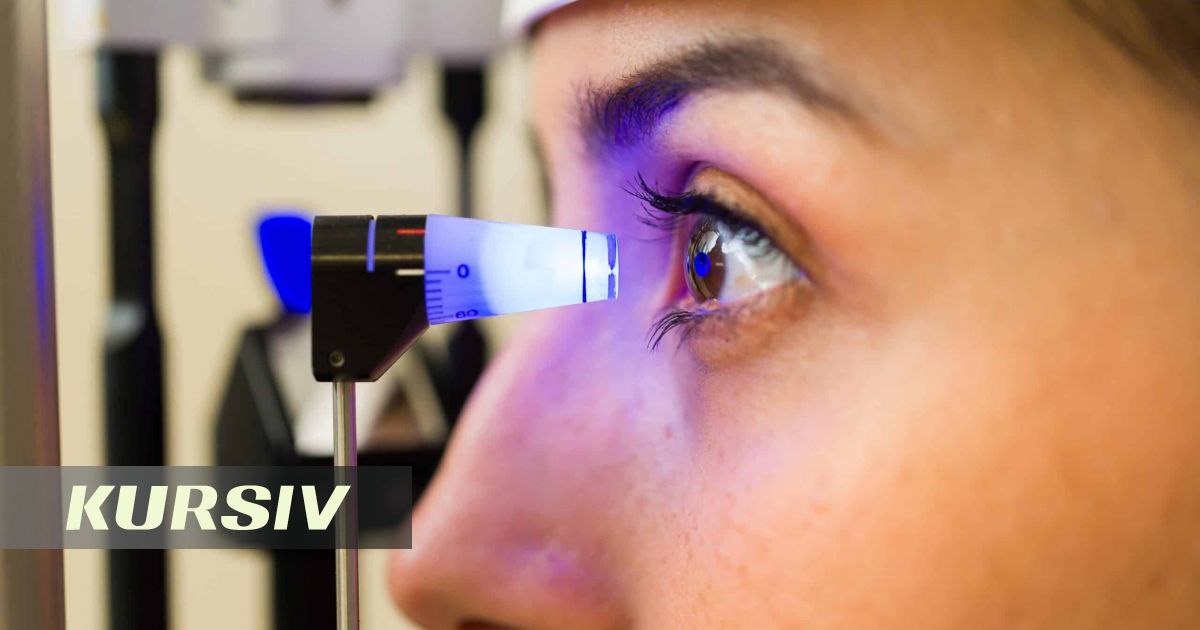
Almaty is hosting a congress of ophthalmologists, where specialists discussed the use of artificial intelligence for diagnosing eye diseases. According to the Ministry of Health of Kazakhstan, the ministry has updated the standard of care for patients with eye diseases, reports infohub.kz.
Among the priority areas being developed in the country are pediatric ophthalmology, glaucoma treatment, and corneal transplant surgeries.
According to the Ministry of Health, in 2025 doctors conducted about 3 million outpatient appointments, and children underwent more than 3 million preventive examinations. Over 127,000 patients received inpatient care. Currently, about 1,500 ophthalmologists work in the country.
Minister of Health Akmaral Alnazarova emphasized that modern treatment methods should be accessible to patients in all regions.
"Our task is to ensure the further development of ophthalmology services, the introduction of advanced technologies, and access to quality medical care for every patient regardless of their place of residence," she noted.
Special attention is paid to retinopathy of prematurity — a retinal disease that can lead to vision loss. The 2025–2027 roadmap provides for improved examinations, equipping medical organizations, and training specialists.
Doctors are discussing how to use artificial intelligence to analyze eye images, detect diseases early, and assess patient risks. Specialists will also consider how AI can help doctors make treatment decisions.
The congress has brought together ophthalmologists from regions of Kazakhstan and experts from the United States, Russia, Uzbekistan, Belarus, Ukraine, and Kyrgyzstan.
Earlier, "Kursiv" reported how surgeons in Almaty transplanted a cornea to a 33-year-old Kazakhstani. And the day before, it became known that Almaty residents will be able to check their health directly in the city's shopping malls.