

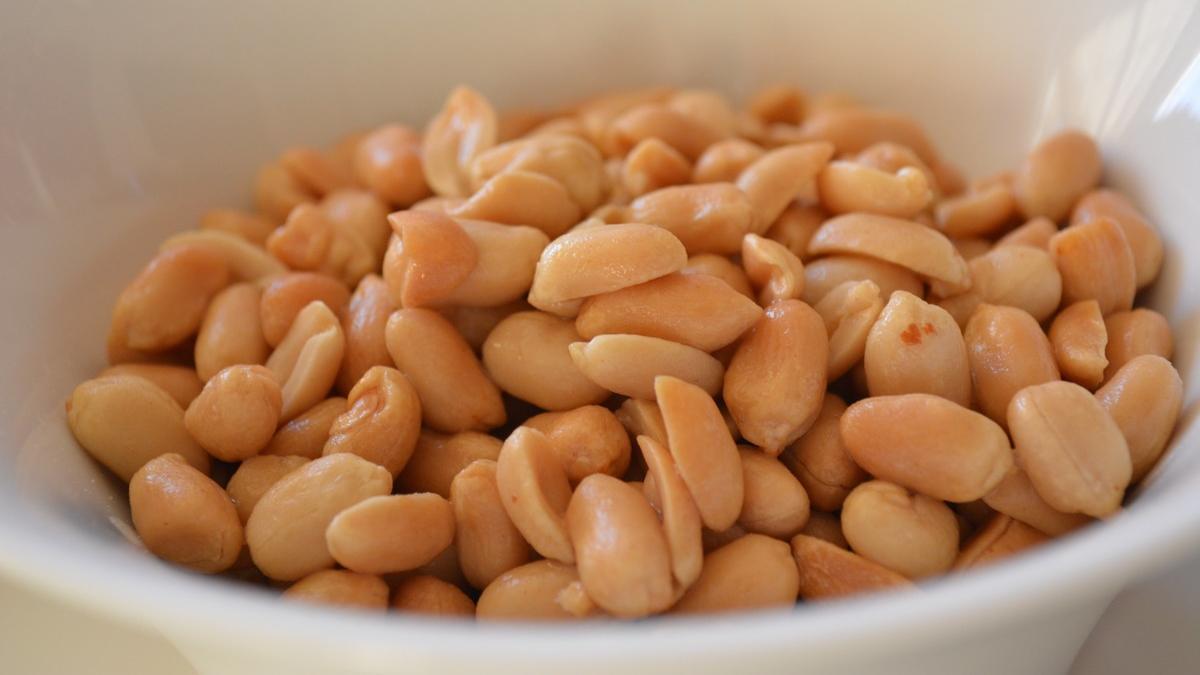
Eating peanuts raises blood levels of very long-chain saturated fatty acids (VLCSFA), which is associated with an 11 percent lower risk of developing type 2 diabetes. That is the conclusion of a group of researchers who analyzed data from the six-month randomized ARISTOTLE trial and the large observational EPIC-Potsdam cohort, infohub.kz reports.
The findings were published in the American Journal of Clinical Nutrition, according to Medical News Today.
The ARISTOTLE trial involved 63 healthy volunteers aged 18 to 33. Over six months they daily consumed either 25 grams of roasted peanuts with skins, 32 grams of peanut butter or 32 grams of a control oil, while excluding other nuts and foods high in resveratrol from their diets. The scientists then compared the resulting lipid profile with data from the EPIC-Potsdam cohort, which included 774 cases of type 2 diabetes and 547 cases of cardiovascular disease.
The authors noted that the link found does not prove peanuts can directly prevent the disease, and that about 89 percent of the risk reduction is explained by body mass index.
Cardiologist Sirisha Vadali explained that the combination of protein, fiber and unsaturated fats in peanuts helps people stay full longer, but because of their high calorie content they should be used as a replacement for less healthy snacks such as chips and cookies, rather than as an addition to a regular diet.