

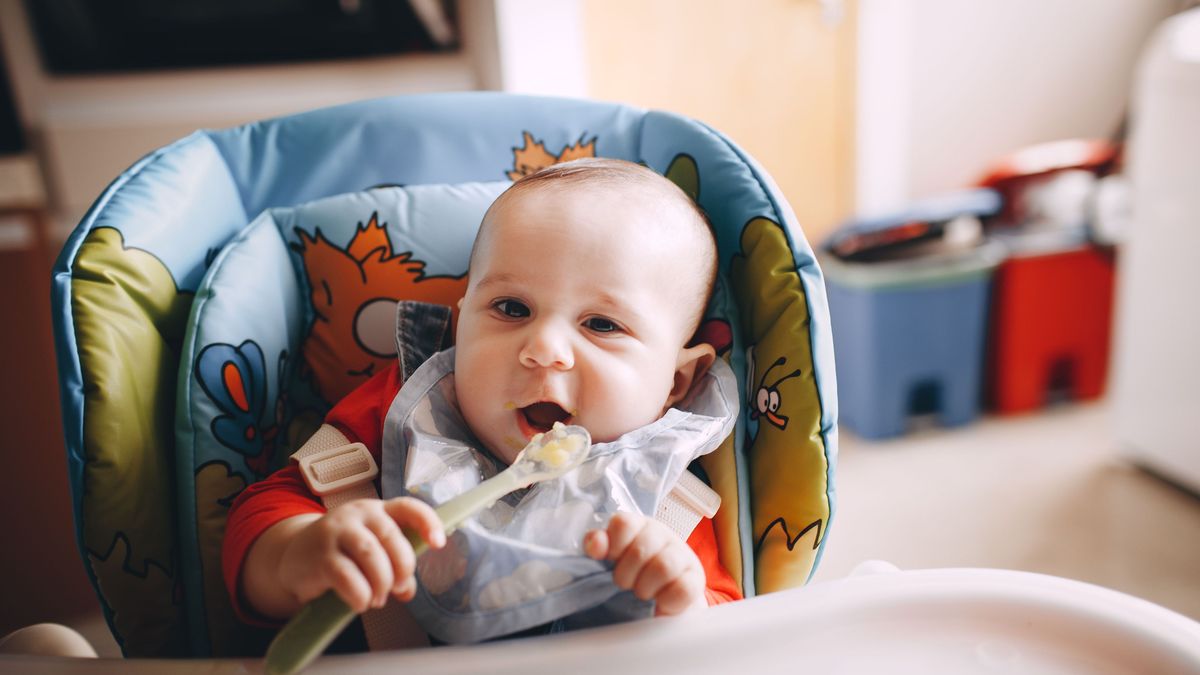
Introducing solid foods into an infant's diet triggers a sharp restructuring of gut bacteria, helping the baby adapt to adult food and preparing the immune system for new challenges, infohub.kz reports.
An international team of scientists studied microbiome samples from infants before and after the introduction of first cereals and purees. They found that before weaning, a baby's gut bacteria are focused solely on breaking down components of breast milk or formula. But as soon as the first solid food enters the body, the composition of microorganisms begins to change rapidly.
New foods activate genes responsible for processing complex plant carbohydrates, proteins, and fats. Bacteria start actively producing beneficial acids that strengthen the intestinal walls and protect the body from infections. The scientists noted that these changes occur very quickly — literally with the first spoonfuls of new food.
The researchers emphasize that this process is crucial for a child's proper development. Timely introduction to solid foods helps build a healthy immune system and reduces the risk of allergies later in life. Experts advise parents to introduce complementary foods gradually to give beneficial bacteria time to adjust to the new mode of operation.