

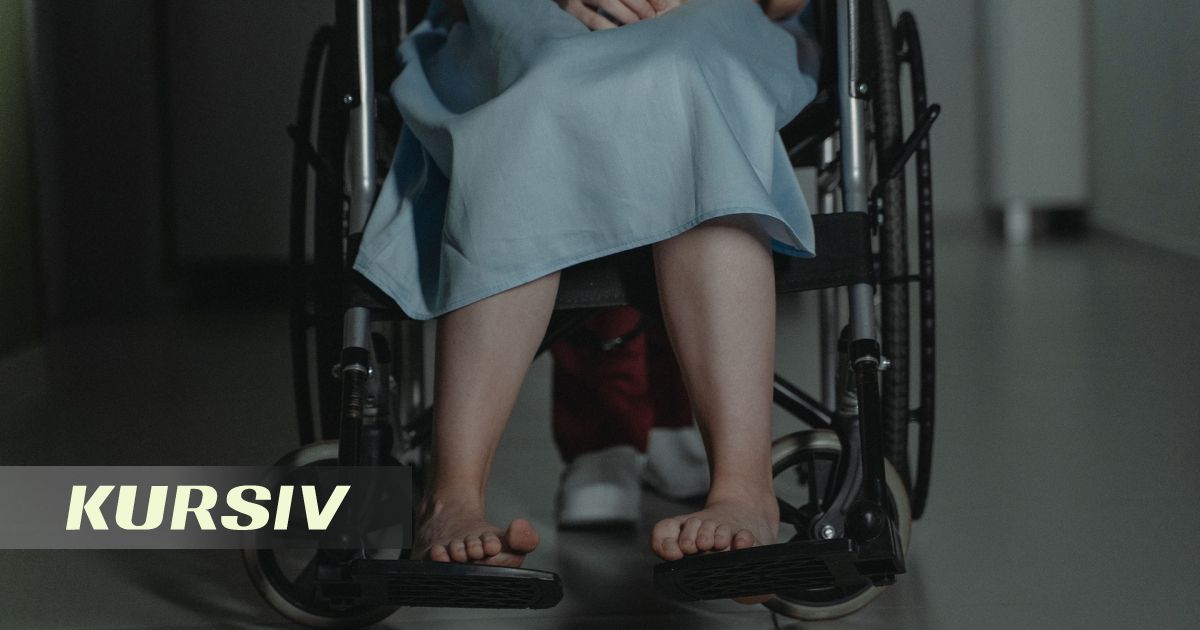
Despite Kazakhstan being declared free of polio in 2002, the risk of the dangerous infection returning from other countries remains. The Committee for Sanitary and Epidemiological Control warns that there is no specific treatment for the virus that causes paralysis, and vaccination remains the only reliable means of protection, reports infohub.kz.
Symptoms of polio include fever, catarrhal symptoms, fatigue, headache, vomiting, and general malaise. Paralysis, usually of the limb muscles, may develop later. The source of infection is a sick person or an asymptomatic carrier. The virus is transmitted through household contact, water, and food.
According to the Committee, paralysis caused by polio is irreversible. In addition, some patients develop paralysis of the respiratory muscles, which can be fatal. It is noted that mortality during polio epidemics ranges from 5 to 25%, mainly due to respiratory disorders caused by paralysis of the respiratory muscles. "The remaining deformities of the spine and limbs can lead to lifelong disability," emphasize doctors.
In the mid-20th century, the rise in polio incidence turned it into a national disaster in many European and North American countries. The most severe peak occurred in 1952, when over 50,000 people died from the disease in the United States alone. The virus mainly affected children under five. The introduction of polio vaccines led to a decline in incidence and, in many areas, to its near-complete elimination.
In 2002, Kazakhstan was among 51 countries that received WHO confirmation that its territory was free of polio. This was achieved through child vaccination. As of 2025, according to WHO data, polio occurs in only two countries: Afghanistan and Pakistan.
In Kazakhstan, vaccination schedules are approved by government decree. The first three doses are given to children at 2, 3, and 4 months of age according to the national calendar. Booster doses are administered at 12 months and at 1.5 years. Vaccination is carried out in two ways: oral drops and injections.