

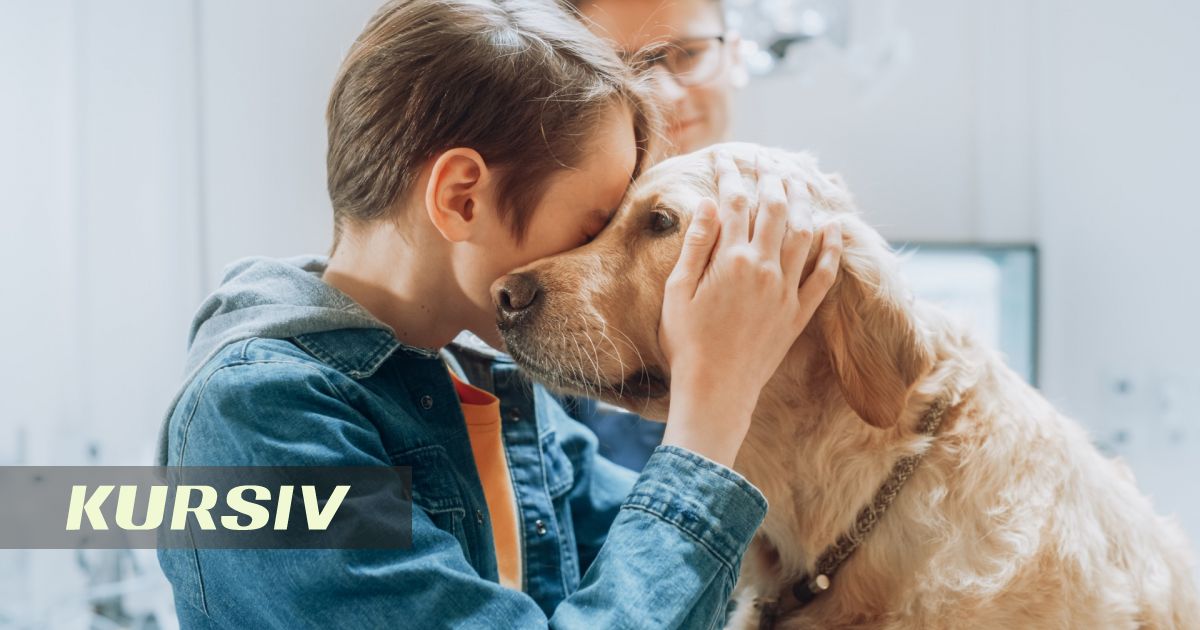
A Portuguese hospital, São João, has begun allowing patients to meet their pets directly in their rooms. The Pets and Company program launched in July and lets patients see their dogs, cats and other pets without leaving their rooms, according to infohub.kz.
Previously, such visits were mostly limited to specially organized events with trained animals.
How the visits work
Not all patients are eligible for a visit with a pet. A doctor or nurse must suggest the meeting, after which specialists assess the potential benefits and risks of the visit. The opinion of roommates is also taken into account.
If the visit is approved, relatives must provide documents confirming that the animal is vaccinated and protected against parasites.
The meetings last up to 30 minutes and can take place once a week. The program is primarily intended for patients with terminal illnesses and people who have to stay in hospital for long periods.
A visit can be stopped if the animal behaves aggressively, appears dirty or poses a danger.
How pet visits affect patients
Studies show that such meetings can lower blood pressure and reduce physiological stress responses.
According to program representatives, spending time with one's own pet can provide additional emotional support.
Euronews reported on 65-year-old António, who spent three months in hospital and is undergoing rehabilitation for balance and gait disorders. His dog, Princesa, came to see him for the second time in 15 days.
"My heart was pounding with joy. She is my family. To me she is like a daughter," the man said.
António also noted that after meeting his dog, he feels as though he walks better.
Hospitals fear animals
In some European countries, such meetings are held outside main hospital buildings for fear of infection transmission.
But São João Hospital has taken a different approach: it has developed a protocol that allows meetings to be organized in patient rooms. Since the program launched, the hospital has not registered a single infection case linked to such visits.
The project team believes it is important not to deprive patients of emotional support during treatment. After discharge, many of them return to living with their pets anyway, so the hospital seeks to strike a balance between infection safety and humanizing medical care.
Parents of children with asthma sometimes face the question of whether to keep a cat at home. Although, as Kursiv Health previously reported, in a study domestic cats did not affect the course of asthma in a child.