

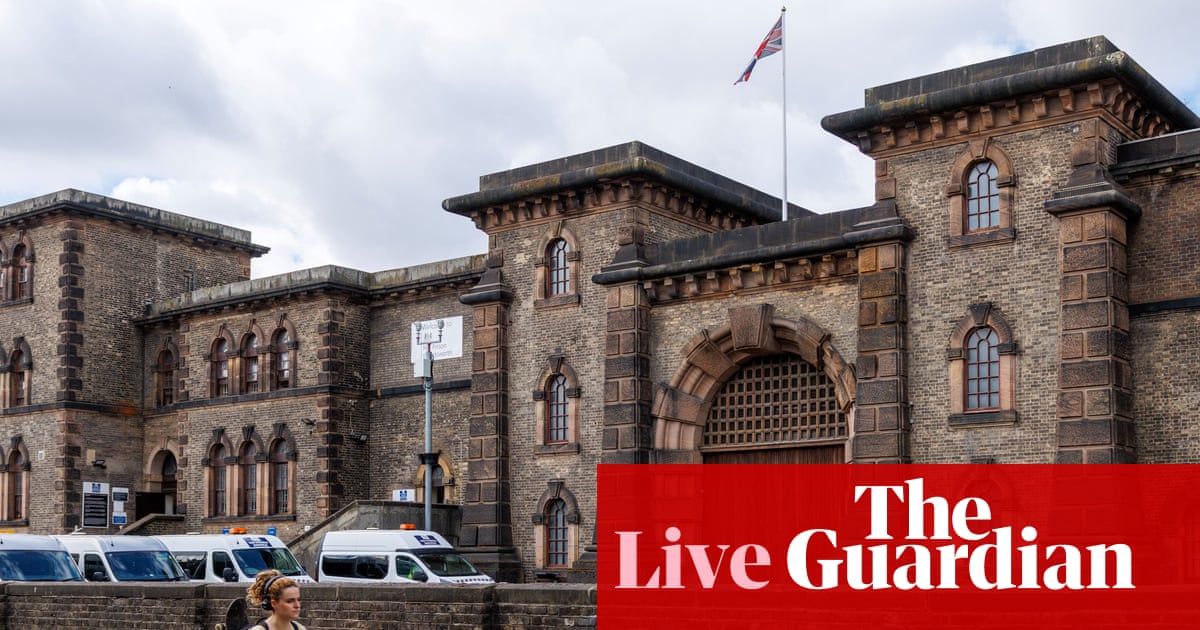
Martin Jones, the chief inspector of probation for England and Wales, has said he is "not fully confident" the service will cope when the new round of early releases starts in the autumn. In an interview with the BBC, he said: "Ultimately I'm not fully confident that the probation system will be able to cope with this massive work and there's a risk that things will go wrong. Probation services are already under unprecedented pressure. They're managing a caseload of 258,000 cases, that's nearly three times the number that are in our prisons, and obviously the early release scheme will be increasing that pressure considerably."
This warning comes amid concerns over the government's plan to release prisoners early to ease overcrowding. Earlier, 50 police leaders, including every chief constable in England and Wales, signed a letter urging the government to do everything in its power to stop the killers of PC Andrew Harper from benefiting from the programme, saying there is "a profound strength of feeling across policing" that this should not happen. The Conservatives have claimed that the changes in approach adopted by No 10 over the past week – denounced as a U-turn in the Daily Express and described as "chaos" in the Times – are "re-traumatising" victims.
Meanwhile, Andy Burnham is chairing a meeting of the government's Cobra emergency committee this afternoon to discuss the heatwave and the climate crisis. Zack Polanski, the Green party leader, welcomed the move, posting on social media: "Good. Now we need action. Tax fossil fuel giants to pay for firefighting helicopters. A cool space in every community. A maximum working temperature. And no new oil and gas extraction in the North Sea. We cannot negotiate with the science."
The Home Office has announced that 13 hotels in England are no longer being used to house asylum seekers, including the Grand Metropole Hotel in Blackpool. The government says this means 44 asylum hotels have closed so far this year, and the number still in use is below 160. Immigration minister Anna Turley said: "For too long, communities have watched hotels at the centre of their towns and cities become symbols of a broken asylum system. We are turning that around by ending the use of asylum hotels for good and moving people into larger, basic accommodation like former military sites."