

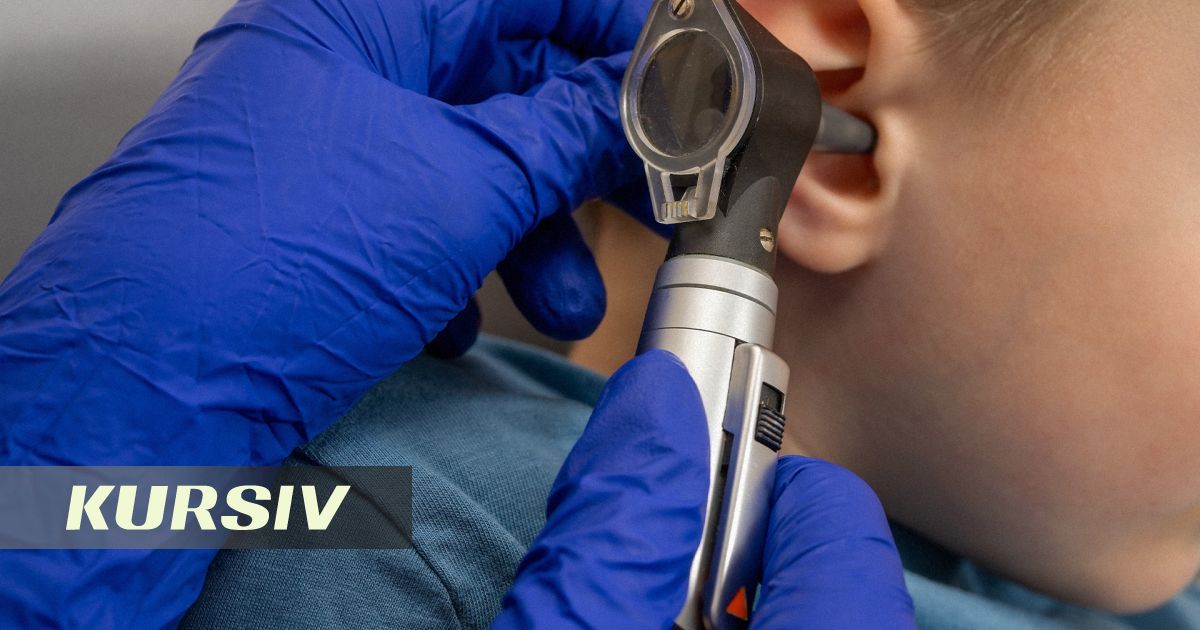
Preventing otitis in children starts not only with ear care. The risk of middle ear inflammation can be influenced by infections, the condition of the nasopharynx, and even exposure to tobacco smoke... reports the website infohub.kz.
Pediatric ENT surgeon Tatyana Averyanova shared on her social media which preventive measures can help safeguard a child's health.
What can reduce the risk of otitis
Vaccination against pneumococcus. Pneumococcus is one of the main bacteria that can cause middle ear infections. According to the doctor, in countries where vaccination against it is included in national immunization schedules, there is a noted decrease in the number of otitis cases and related complications.
Flu vaccination. Some cases of middle ear infection develop after viral infections.
Protection from tobacco smoke. Passive smoking increases the risk of recurrent otitis and fluid accumulation behind the eardrum.
Breastfeeding in the first months of life. Studies link breastfeeding with a lower risk of acute otitis media in children.
Monitor nasal breathing. Enlarged adenoids, chronic rhinitis, or allergic rhinitis can disrupt the function of the Eustachian tube, which connects the middle ear to the nasopharynx. This creates conditions for recurrent inflammation and fluid buildup in the ear.
Address bite and airway issues. The doctor also draws attention to the combination of mouth breathing with enlarged adenoids or tonsils, structural features of the upper jaw, tongue position, and sleep disturbances. Such factors may be associated with chronic Eustachian tube dysfunction and prolonged otitis media with effusion.
"If you look at a child comprehensively, the most common causes of recurrent otitis in preschoolers are a combination of frequent viral infections, adenoid hypertrophy, and Eustachian tube dysfunction. That is why prevention of otitis often starts not with the ear, but with assessing the nasopharynx and airways," the doctor shares.
When prevention is no longer enough
As Tatyana writes, if a child has three or more episodes of otitis within six months, or four or more within a year, doctors refer to it as recurrent acute otitis media. In such a situation, it is important to understand why it keeps coming back.
Among possible causes, the doctor lists enlarged adenoids, allergies, chronic nasopharyngeal infections, and structural features of the airways. Less commonly, recurrent infections may be linked to immune system disorders.
If conservative measures are insufficient, after examination the child may need additional treatment methods. The doctor may consider adenoid removal (adenoidectomy), placement of ventilation tubes in the eardrums, or a combination of both.
How to recognize otitis in a child in time — read in the Kursiv Health article.