

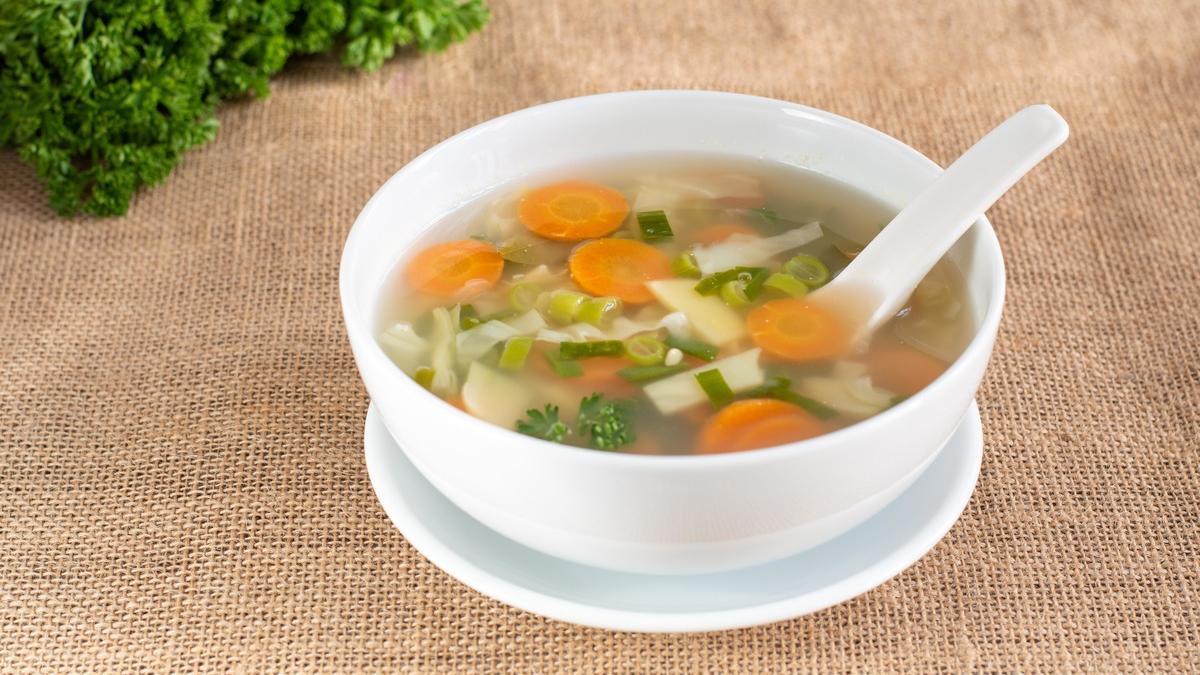
Food behavior researchers have concluded that the autumn craving for traditional dishes has nothing to do with cooking and everything to do with nostalgia and memory, according to infohub.kz.
Every September, before the first serious cold sets in, people en masse return to recipes they hadn't thought about since the previous winter. Psychologists and food behavior specialists have figured out why this urge appears with such remarkable precision.
Research results show that the key driver of the autumn pull toward familiar food is not ingredients or culinary technique, but social memory and nostalgia.
A 2026 national survey of more than two thousand American adults found that three-quarters of respondents place taste and personal emotional satisfaction above any dietary rules. Nearly half of those surveyed said food helps them cope with stress.
September becomes a key period for activating such impulses: the start of the school year, a change in daily routine and the end of the summer season create a period of emotional transformation during which people need a sense of security.
Studies involving respondents of different ages show that dishes from childhood activate a sense of social connection and stability. People don't just want soup or a roast — they want a specific person's recipe, cooked in a particular pot.
New culinary variations don't produce the same effect, because the source of comfort lies in associations with loved ones. Psychologists emphasize that turning to beloved family cooking during times of change is a natural way to close the distance between past and present.