

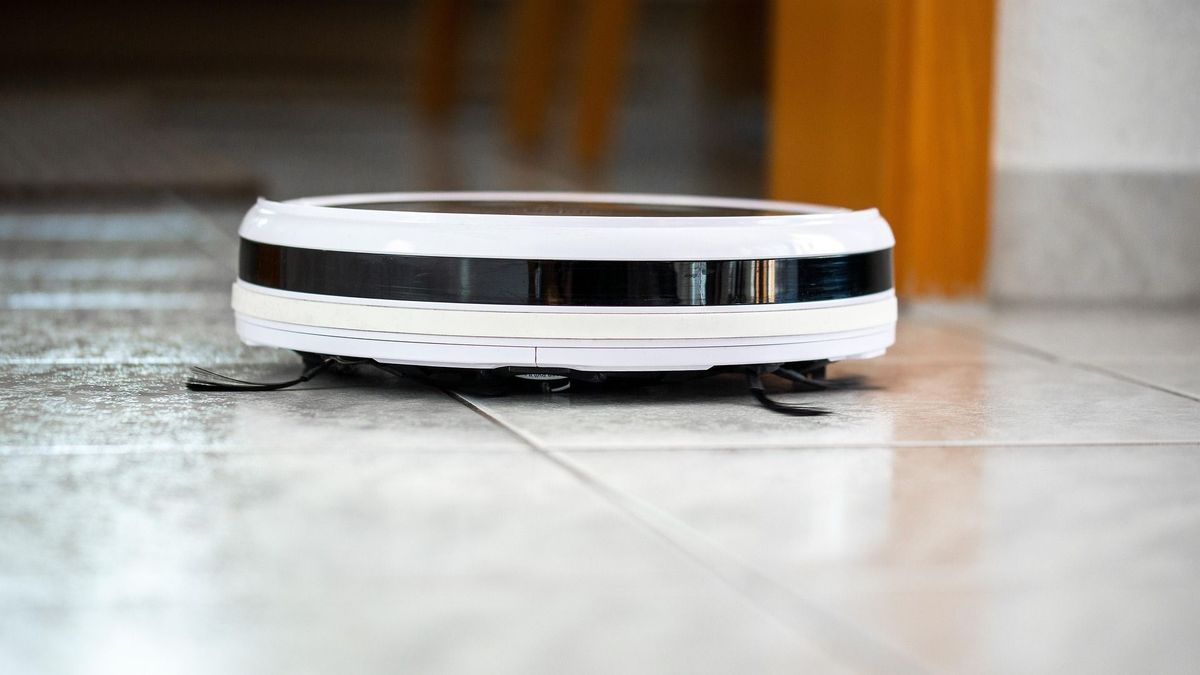
Modern robot vacuums can do more than clean apartments — they can also collect maps of homes, recordings of conversations and photos of interiors, then transmit that data to third-party servers, Engadget reports, according to infohub.kz.
Smart vacuums are equipped with microphones, sensors and cameras needed to navigate rooms. But the same devices can capture detailed information about what happens in the home. Depending on the model, a robot can store cleaning history, room layouts, room names, flooring types and even data about the local Wi-Fi network.
The main problem is the mandatory connection of devices to the manufacturer's cloud services. When a user connects to the vacuum remotely, data is transmitted through external servers. This creates a risk of data leaks due to possible security failures. As an example, experts cite a case in which a user, due to an access-rights error, accidentally gained control over 7,000 other people's vacuums around the world.
To protect personal data, specialists recommend studying the privacy policy before buying and choosing models with local data processing. Owners of devices already purchased are advised to regularly update firmware, use strong passwords, enable two-factor authentication and disable features such as remote video viewing.