

The human brain perceives the full diversity of natural shades through a combination of just four pure colors, reports infohub.kz.
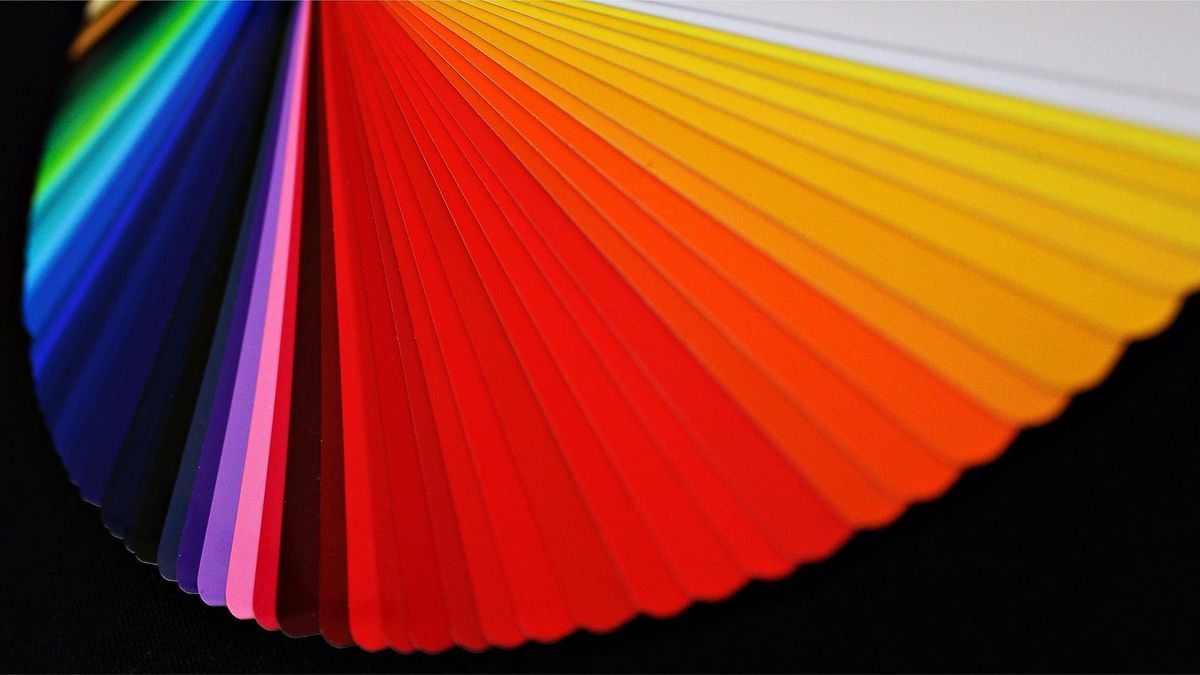
Researchers at the University of California, Berkeley, have found that human color perception is based on four primary hues: red, yellow, green, and blue. Unlike mixed shades, these are perceived by the brain as pure. The specialists simulated the functioning of the retina's cone cells and established that the palette of wild nature is limited. Most of the natural world consists of unsaturated shades, with peaks of visual sensitivity falling on red, yellow-green, and blue-green colors.
The simulation showed that encoding information with four types of neurons ensures the greatest efficiency. This system forms opposing pairs: red versus green and blue versus yellow. This principle of paired opponents allows neurons to process visual data quickly and economically.
According to the authors of the study, it is the limited natural palette that has driven the human brain to develop such a visual system. Understanding these mechanisms explains the universality of color perception among different peoples of the world.