

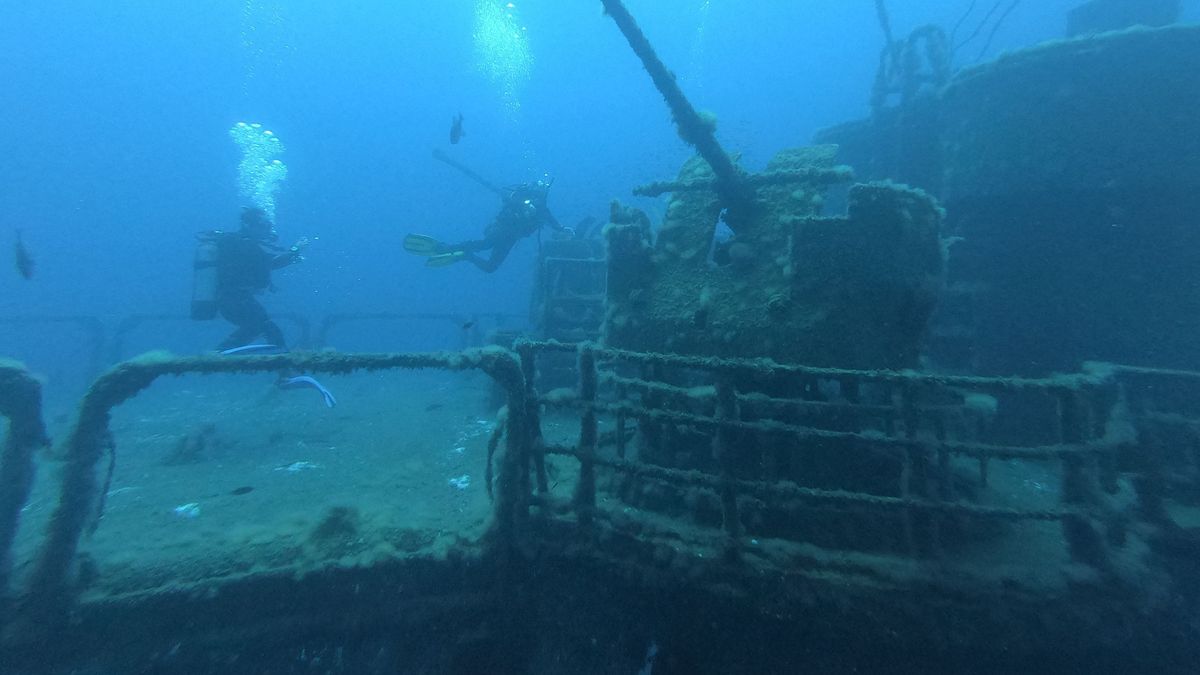
Ships and submarines sunk during World War I and World War II continue to pose a threat to the North Sea's ecology, as toxic TNT leaks from their hulls into the water, putting the marine ecosystem at risk, reports infohub.kz.
An international team of scientists led by Katrine Jul Andersen from Aarhus University has found traces of explosives near the wreck of the German submarine UC-30 off the coast of Denmark. To assess the extent of contamination, the researchers used blue mussels. Biological tests showed that the mollusks' enzymatic processes for eliminating toxins are disrupted, and their energy reserves are reduced.
Experts note that as the hulls of the ships deteriorate, leaks of hazardous compounds such as TNT, trinitrotriazine, and dinitrobenzene will only increase. These chemicals are toxic and carcinogenic, posing a threat to the food chain, including commercial fisheries.
In Danish waters, there are more than 10,000 shipwrecks, of which about 15% date back to the world wars. Emergency recovery of munitions requires enormous costs, so scientists are trying to identify the areas with the greatest environmental threat to make targeted decisions.