

August 2026 will be a real gift for astronomy enthusiasts: four rare celestial events will adorn the night sky. Among them are a total solar eclipse, the Perseid meteor shower, a bright Venus, and a deep partial lunar eclipse, reports infohub.kz.
On August 12, the path of totality for the solar eclipse will cross northern Russia, Greenland, Iceland, northern Spain, and part of Portugal. Residents of the United States will be able to see a partial eclipse. NASA's Jet Propulsion Laboratory experts remind about the importance of safety: you can only look at the Sun through certified glasses or special filters.
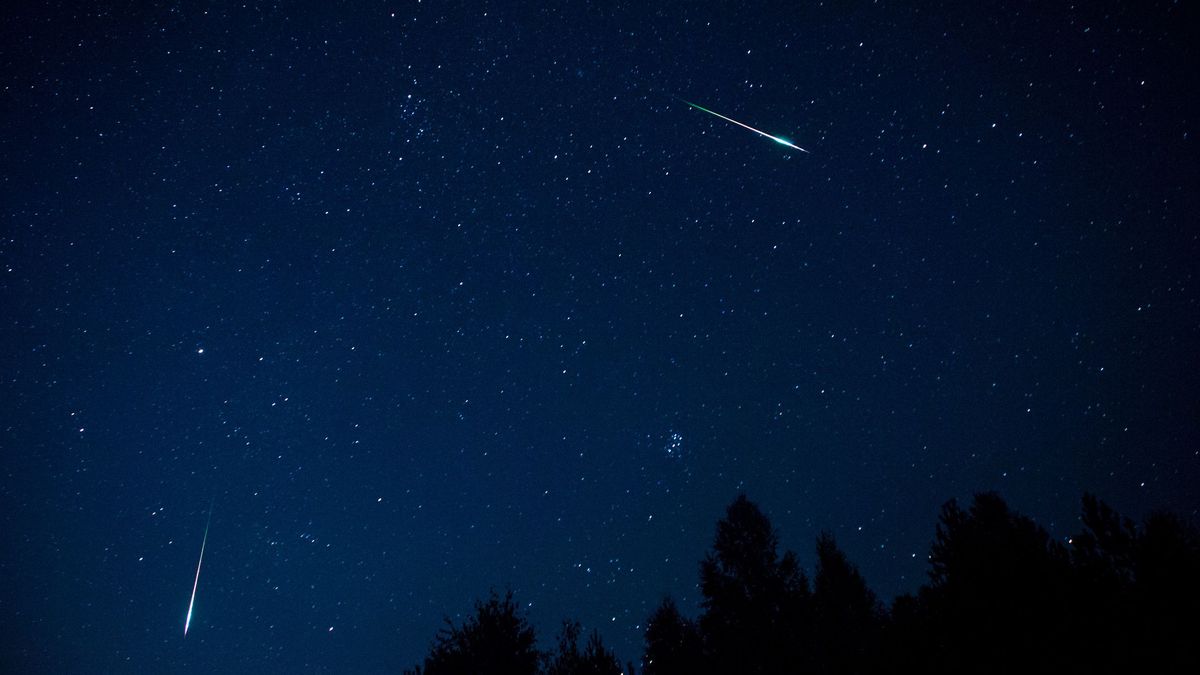
On the night of August 12-13, the Perseid meteor shower will peak. The peak coincides with the new moon, so the absence of moonlight will create ideal conditions for observation. The shower occurs when Earth passes through the debris trail of comet Swift-Tuttle. Small particles burn up in the atmosphere, leaving bright streaks. It is best to observe in the direction of the constellation Perseus.
From August 14 to 16, Venus will reach its greatest eastern elongation and will shine brightly in the western sky just after sunset. Through a telescope, the planet will appear half-illuminated.
The month will end with a partial lunar eclipse on the night of August 27-28. Up to 93% of the lunar disk will be immersed in Earth's shadow, giving it a rusty-copper hue. The event will be visible to residents of the Americas, Europe, and Africa.