

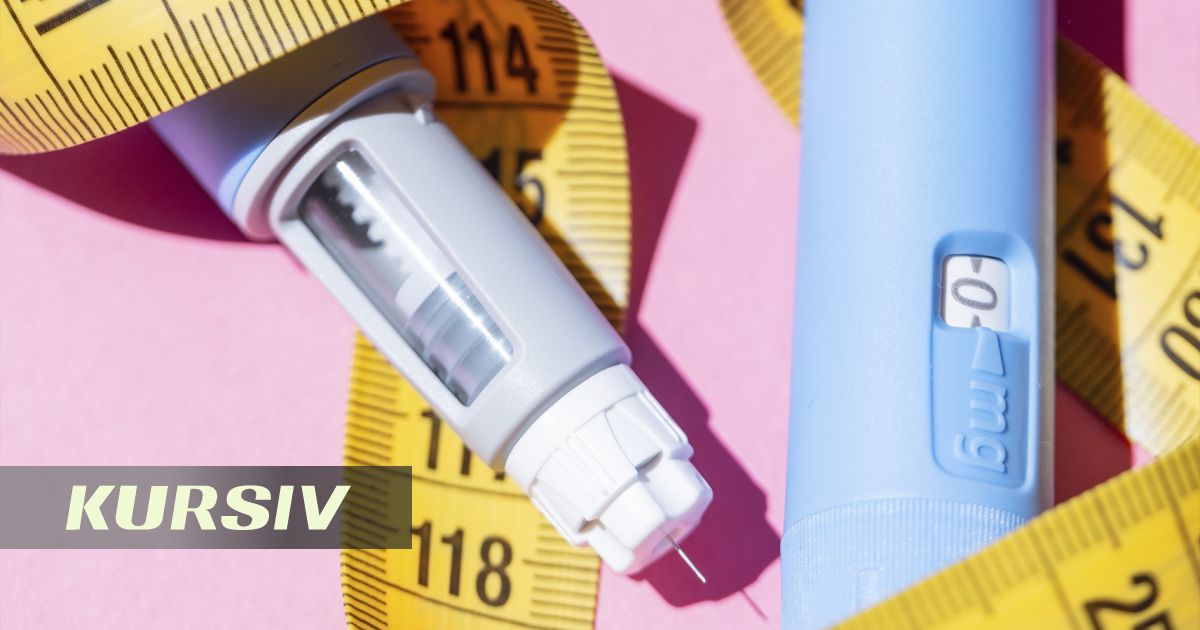
South Korean company L&C Bio has introduced an injectable product called MegaAdipoECM, designed to restore lost facial volume after significant weight loss, reports infohub.kz.
The drug is based on donated human fat and is expected to hit the market in late 2027.
The new procedure involves implanting donor fat into an extracellular matrix, which acts as a scaffold, allowing the patient's own fat cells to naturally populate the treated areas and restore lost volume.
The technology aims to combat the so-called "Ozempic face"—sunken cheeks and loss of volume after taking GLP-1 weight-loss drugs. If the technology gains widespread adoption, it could become the next global trend in aesthetic medicine.
Previously, Kursiv discussed with endocrinologist Gulmira Mansurova the culture of taking incretins, and for whom Ozempic injections are truly life-saving, and for whom they would be a waste of money.
It was also reported that Ozempic and Wegovy have become a new tool for people with eating disorders. A study by scientists showed that patients with anorexia and bulimia take these drugs to intensify food restrictions.
Additionally, Kursiv wrote about an unexpected trend due to weight loss on the drug: most who lost weight had to deal with "Ozempic belly"—sagging skin after the course. And for some, the drug may cause a side effect known as "Ozempic feet."