

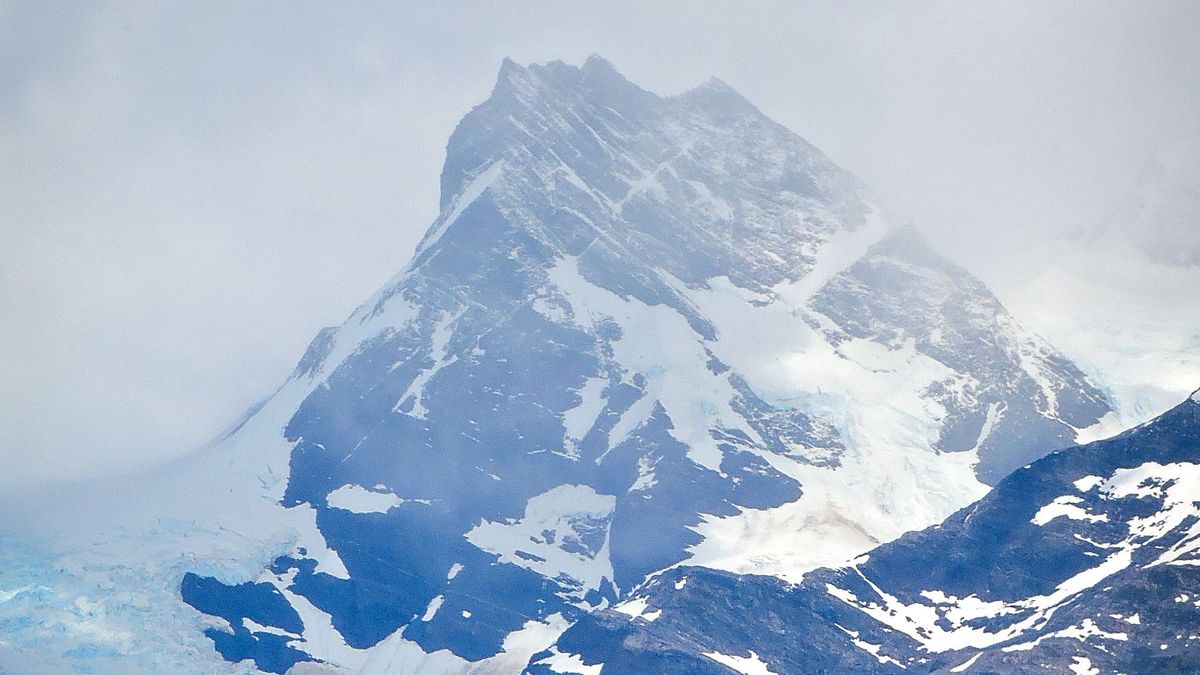
The past year brought another catastrophic melt for the Alps: in 2026, Swiss glaciers lost more than 5% of their ice volume. The cause was a snow-poor winter and prolonged heat, SciTechDaily reports, according to infohub.kz.
Experts from the Swiss glacier monitoring network GLAMOS found that the average ice thickness shrank by 2.5–4 meters, while losses at the tongues of some glaciers reached 10 meters. Two small Alpine glaciers — Bella Tola and Griesfirn — melted completely and disappeared from the country's map forever.
The key cause of the record melt was the combination of a snow-poor winter and prolonged heatwaves from May to September. For 76 days, the zero isotherm — the altitude at which air temperature drops to zero degrees — rose above 4,000 meters. As a result, the protective snow layer vanished even at elevations around 3,500 meters, exposing dark ice that absorbs sunlight more readily.
Over just three summer months, the melting glaciers released about 2,200 billion liters of water. That is four times the annual drinking water consumption of all households in the country. Scientists warn that the temporary influx of water should not be misleading: over the past five years, Switzerland has already lost a fifth of all its glacier reserves.