

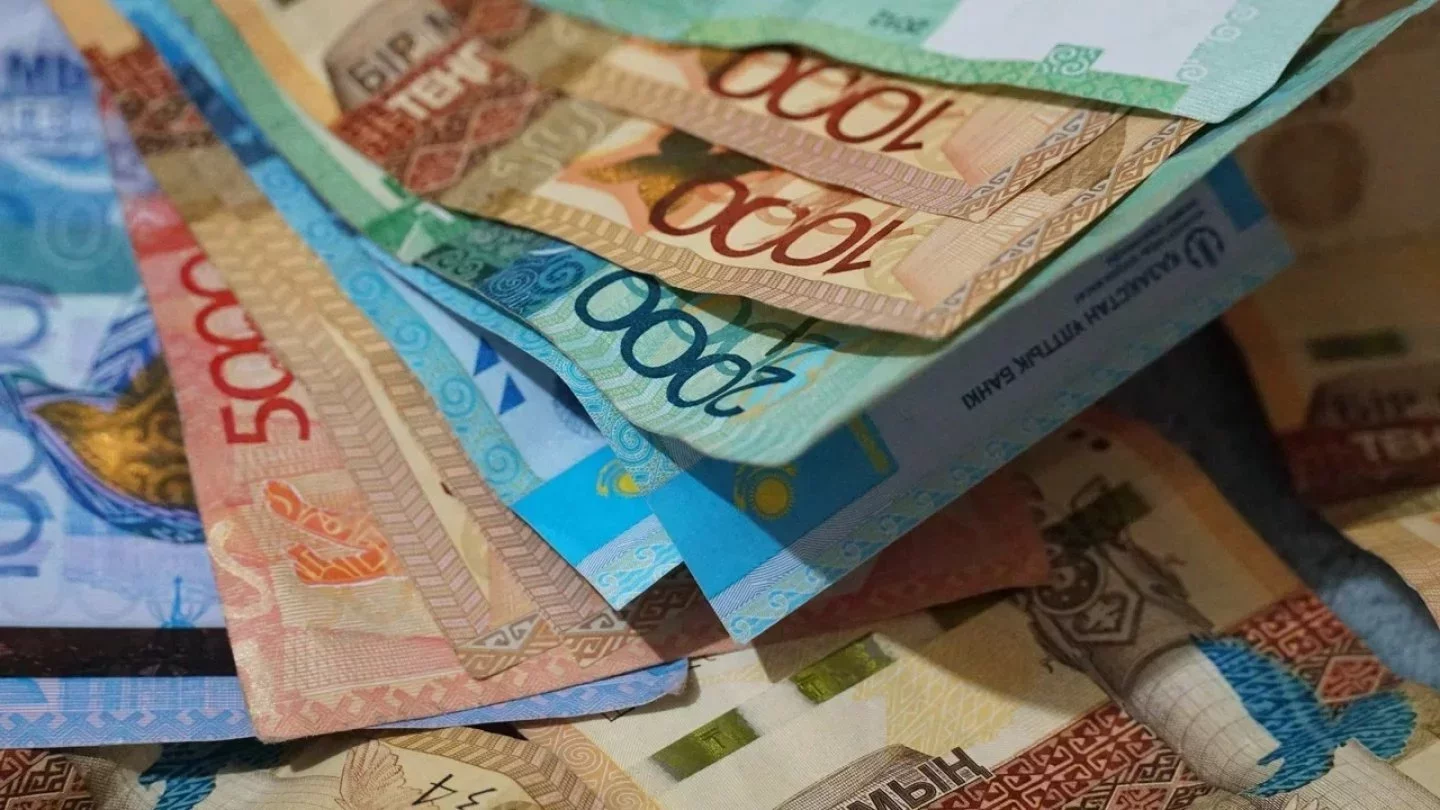
Since mid-July, the dollar on KASE has risen by more than 20 tenge, from about 450 to 475.98 tenge. On Friday alone, after the base rate cut, the exchange rate jumped by 9.76 tenge. Analysts at the AFC explained the reasons for the sharp weakening of the national currency, reports the website infohub.kz.
The National Bank announced a 0.25 percentage point rate cut on Friday, July 24. The decision was softer than most market participants expected. Analysts had largely predicted the regulator would keep the rate at 17%.
According to the AFC, this unexpected monetary policy easing was one of the main reasons for the tenge's weakening. A lower rate reduces the attractiveness of tenge-denominated instruments and may increase demand for foreign currency.
Analysts noted that demand from Kazakh companies for foreign currency to make month-end payments may have added pressure on the tenge. Another factor was a decline in investor appetite for risk assets, including emerging market instruments.
Friday's dollar trading volume stood at $491.6 million, down $102 million from the previous session, but trading activity remained elevated.
At the beginning of July, the dollar was worth about 470 tenge. The national currency then strengthened notably, with the rate falling to around 450 tenge in mid-July. However, even before the National Bank's decision, the dollar had recovered to about 466 tenge. Thus, the rise from 450 to 475 tenge occurred not in a single day but over the second half of July.
The AFC believes the exchange rate could change significantly this week. At the end of the month, investors typically review their portfolios, and the market continues to react to the base rate cut and changes in commodity prices.
The tenge could also be strongly affected by decisions from the U.S. Federal Reserve, the Bank of England, and the Bank of Japan. Their meetings are scheduled for this week. Against this backdrop, further gains in the dollar against the tenge can be expected, especially if demand for currency remains high.