

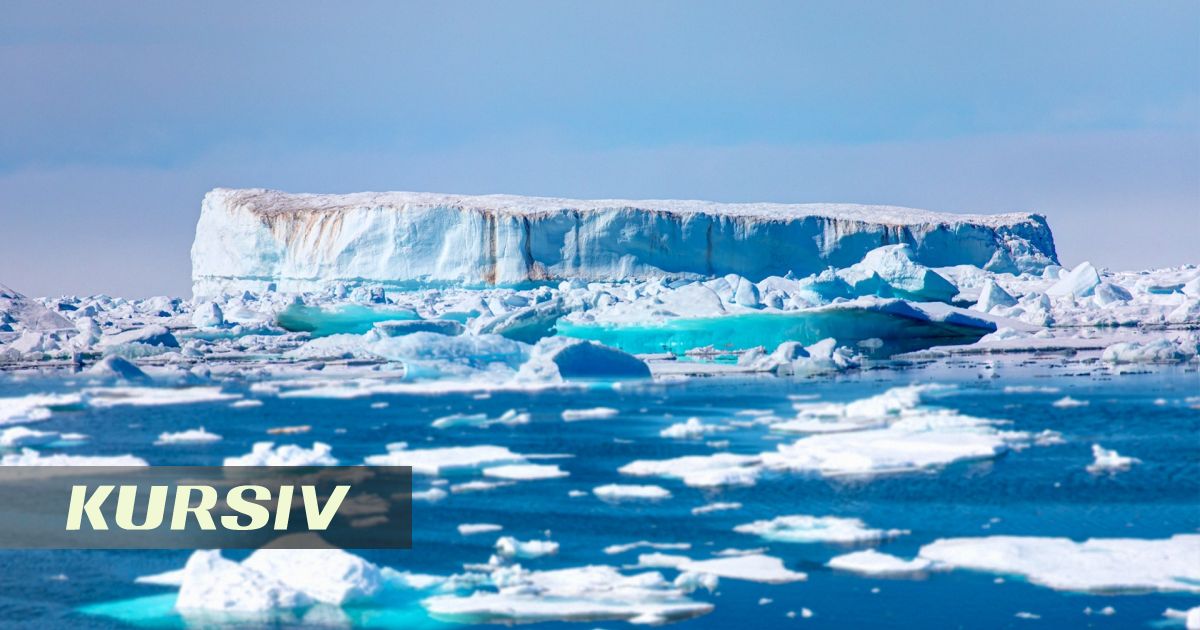
Scientists have discovered the oldest glacier outside the polar regions — samples were found on the Guliya plateau in the mountains of Tibet, and researchers estimate that some of the ice has not melted for at least 128,000 years, according to infohub.kz.
American researchers from Ohio State University studied air bubbles inside ice cores — long cylinders of ice extracted from the glacier — and compared the isotopic composition with data from nearby caves.
It turned out that the glacier began to freeze at least 128,000 years ago. This is roughly the time when the first representatives of the human species began to leave Africa. Thus, a true climatic record of the Earth has been preserved inside the glacier.
In addition, scientists found traces of a sharp increase in beryllium-10 and chlorine-36 in the ice. They appeared approximately 41,000 years ago, when the Earth's magnetic field weakened and more cosmic radiation reached the atmosphere. Such findings help scientists reconstruct what the planet's climate was like in the distant past.
However, even such ancient ice, which has survived nearly 130,000 years, is now melting due to climate change. The Guliya glacier is gradually losing its reserves, as are many other glaciers around the world.
At the same time, 128,000 years is not an absolute record. The oldest known ice was found in the Allan Hills area in East Antarctica. Its age is estimated at approximately 6 million years.
Earlier, Kursiv LifeStyle wrote that a 99-million-year-old firefly was found in amber.