

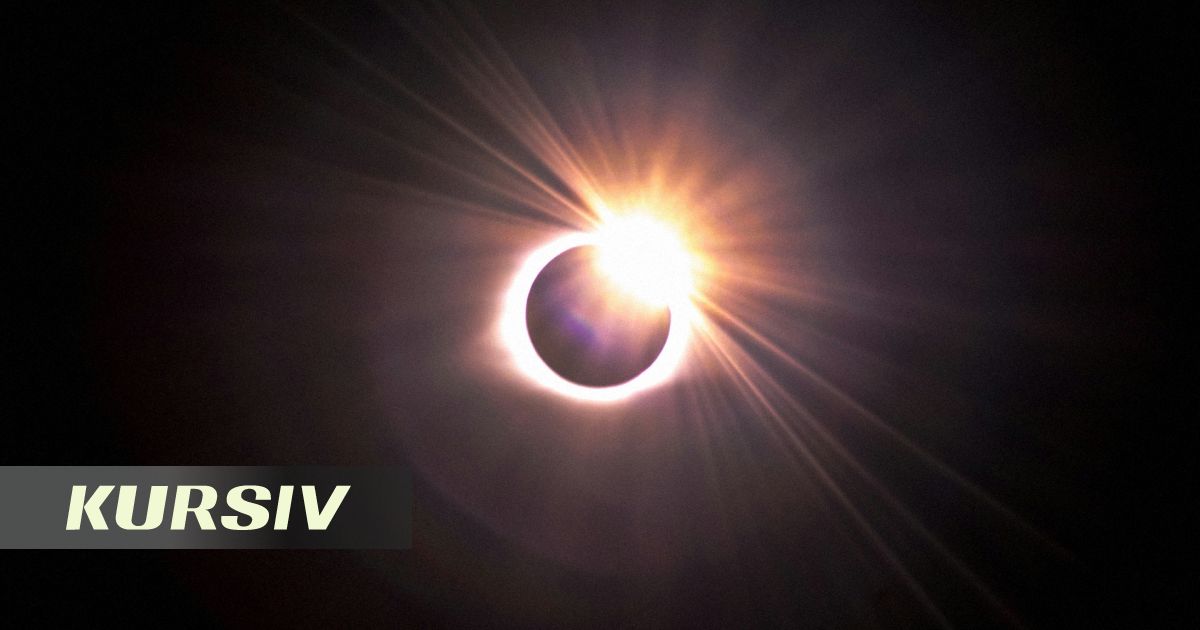
On August 12, the year's main astronomical event will take place: a total solar eclipse. The Moon will completely cover the Sun, plunging certain regions into darkness for 2 minutes and 18 seconds, reports infohub.kz.
The Moon's shadow will race across the planet in just an hour and a half. The best visibility is expected in Spain, Iceland, Greenland, and northern Russia. In Spain, the eclipse will coincide with sunset. Much of Europe, the United States, Canada, and northwestern Africa will be able to observe a partial eclipse.
NASA will broadcast the event live on its website, so everyone can see it. Astronomers remind that it is safe to observe the Sun only through special glasses with ISO 12312-2 protection standard or solar filters.
In addition to the eclipse, before dawn on that day, a parade of six planets will line up in the sky, and at night the peak of the famous Perseid meteor shower will occur.
Earlier, Kursiv LifeStyle reported that NASA is testing an unusual system that could convert astronauts' waste into useful resources: water, fertilizers, and even materials for 3D printing. The technology is being developed for future missions to the Moon and Mars.