

Planting certain tree species in cities may carry hidden environmental risks due to chemical emissions from plants, reports infohub.kz.
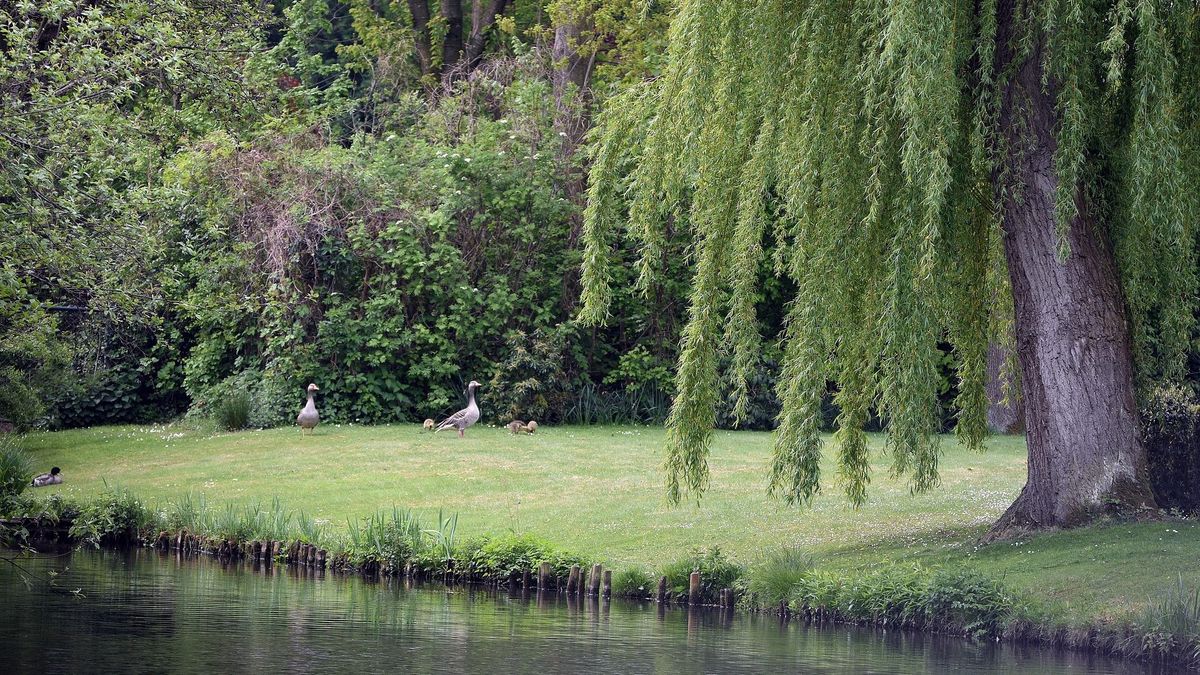
Urban green spaces have traditionally been considered the main way to combat air pollution and reduce street temperatures. However, researcher Mohana Basu points out that some tree species emit significant amounts of volatile organic compounds. Reacting with exhaust gases and industrial emissions, these substances contribute to the formation of ground-level ozone. For example, weeping willows and poplars, planted in many cities, emit large quantities of isoprene.
The main issue is that as air temperatures rise, the intensity of organic compound emissions from plants increases significantly. In the context of global warming and frequent heatwaves, green infrastructure may unintentionally worsen air quality, causing respiratory problems for urban residents.
Scientists urge ecologists and urban planners to be more careful in selecting species for urban greening. To ensure that plantings are purely beneficial, megacities need to plant tree species with low volatile organic compound emissions and simultaneously reduce overall anthropogenic pollution.