

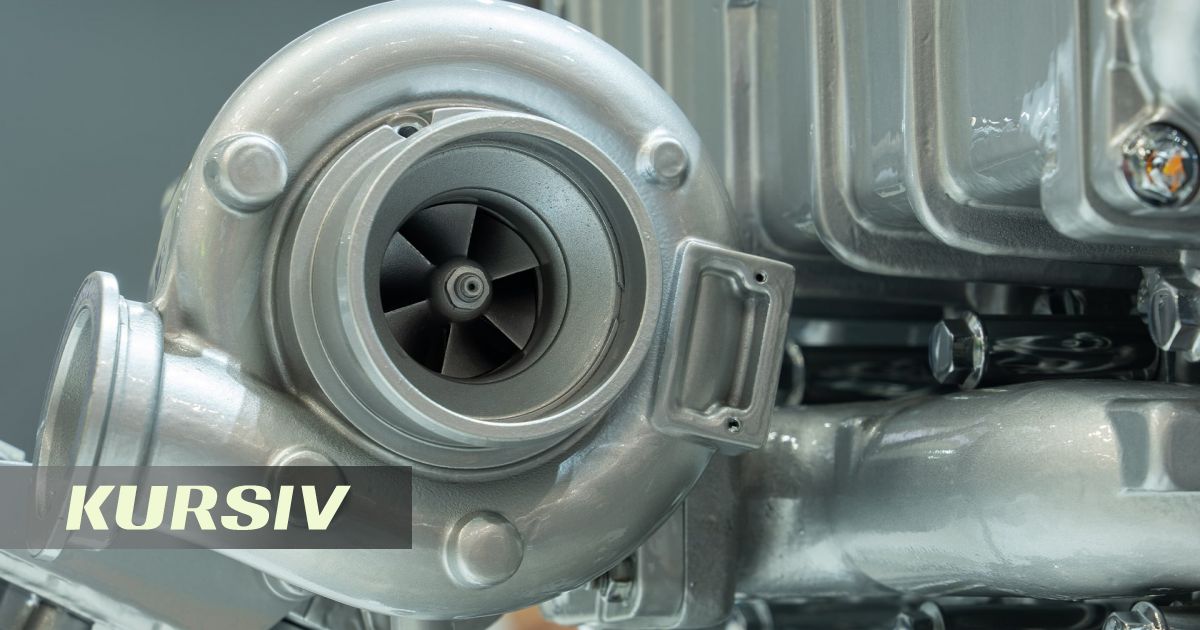
Many drivers believe that after a trip in a car with a turbocharged engine, it's necessary to let the engine idle for 30–60 seconds before shutting it off. This advice was indeed relevant for older cars, but for modern vehicles it is not a universal rule. Let's figure out when additional cooling might be useful, reports infohub.kz.
The turbocharger operates at high temperatures and high RPMs. Therefore, after prolonged highway driving, a long uphill climb, towing a trailer, or aggressive acceleration, it's not advisable to abruptly shut off the engine. In such cases, it's worth letting the engine idle so that oil and coolant continue to circulate while the temperature of the stressed components decreases.
If the last few kilometers were driven in normal mode, waiting a minute before shutting off the engine is usually not required. Modern engine management systems account for the high temperature of the turbocharger and allow you to do without a mandatory idling period.
The 30–60 second rule originated from the characteristics of older turbo engines, whose cooling heavily depended on engine operation. After spirited driving, an abrupt shutdown could lead to oil overheating in the hot section of the turbocharger and the formation of deposits. Modern cars are more complex: they may use additional cooling systems and electric pumps that dissipate heat even after the engine is off.
Drivers should not rely on a fixed 30 or 60 seconds. It's more useful to consider the load on the engine and turbocharger before stopping. After prolonged driving under high load, it's reasonable to let the engine cool down a bit, if recommended in the vehicle's owner's manual. The key is not to treat the rule "never shut off a turbo engine immediately" as universal. It's better to consider the driving conditions and the manufacturer's recommendations.